Text

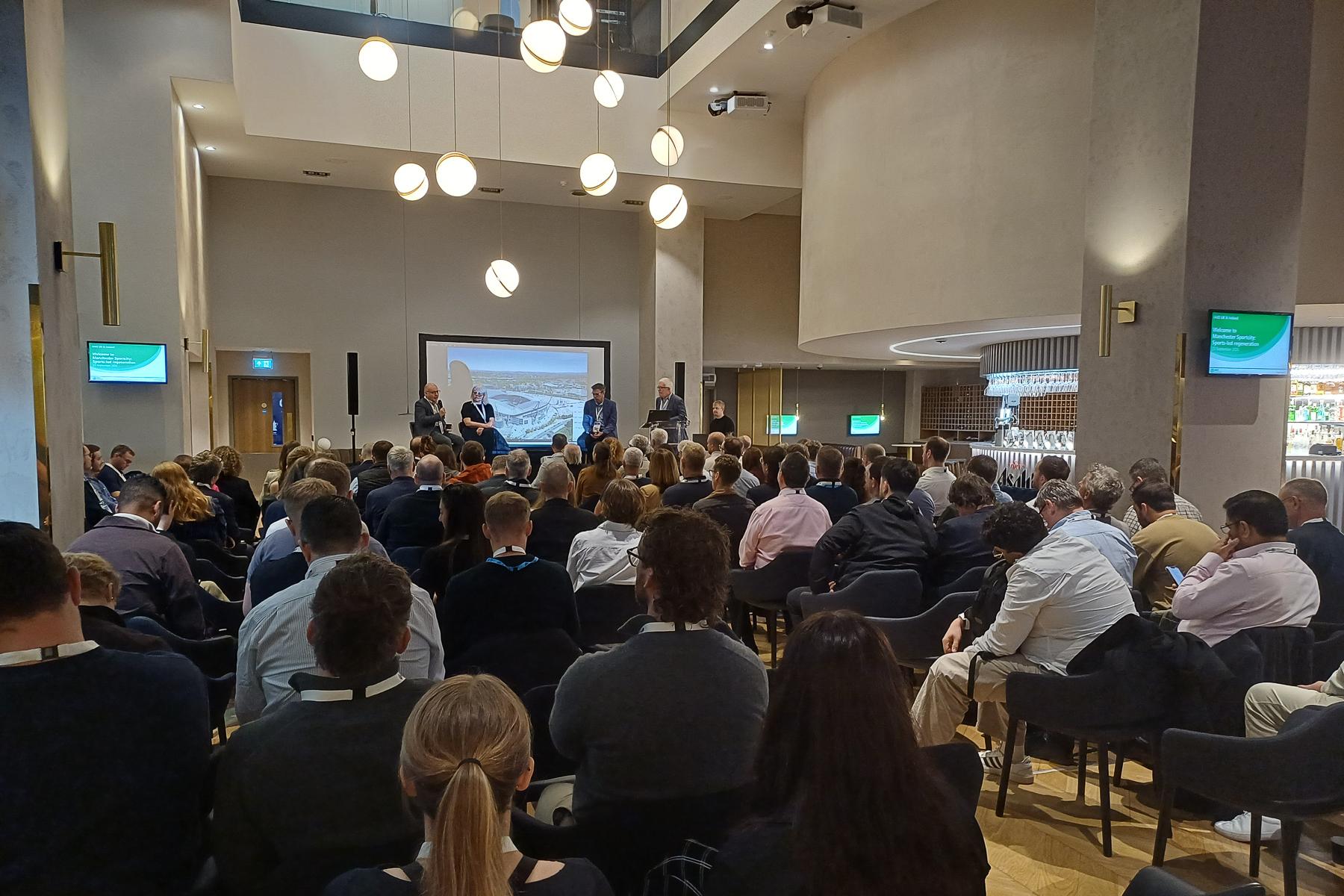
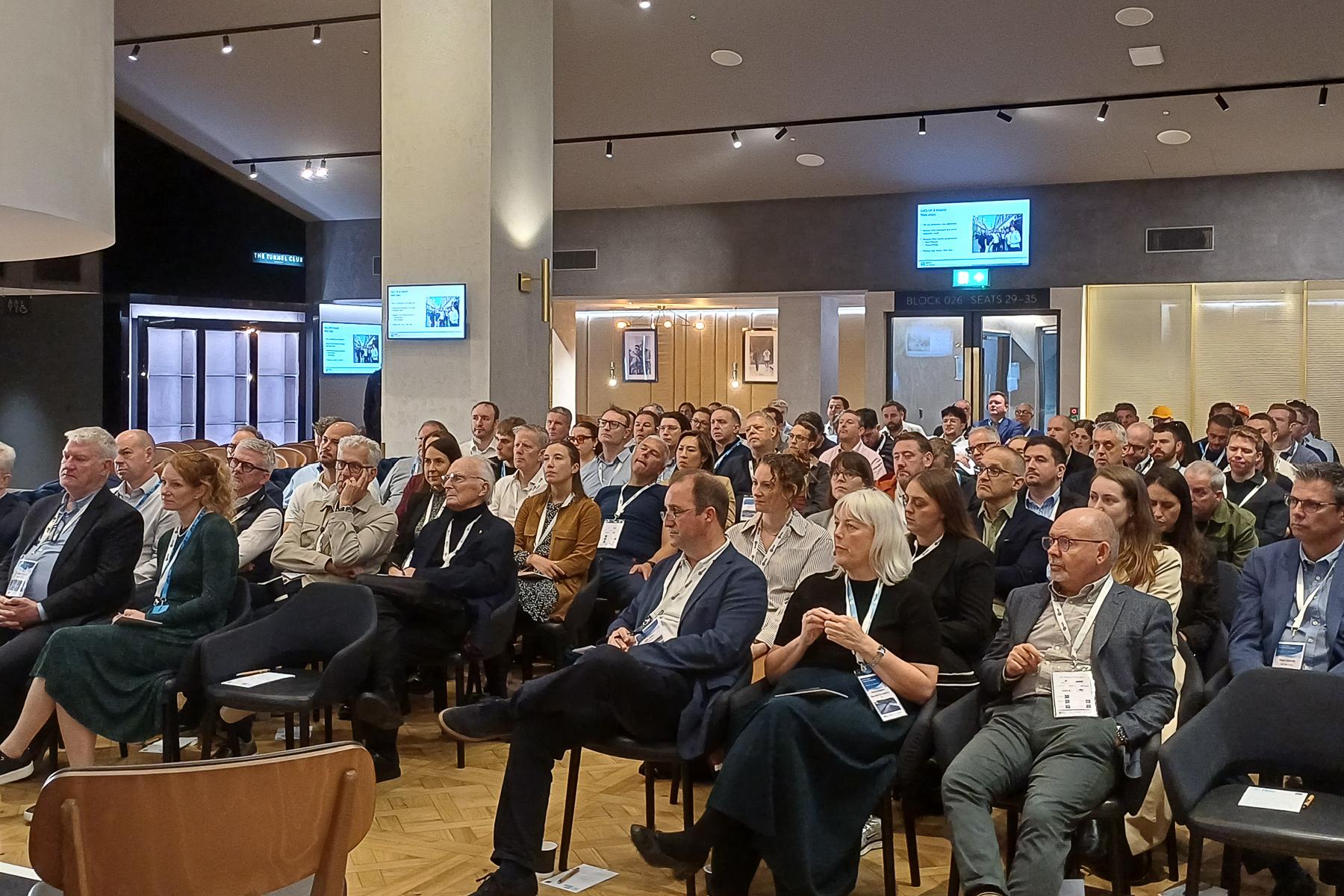
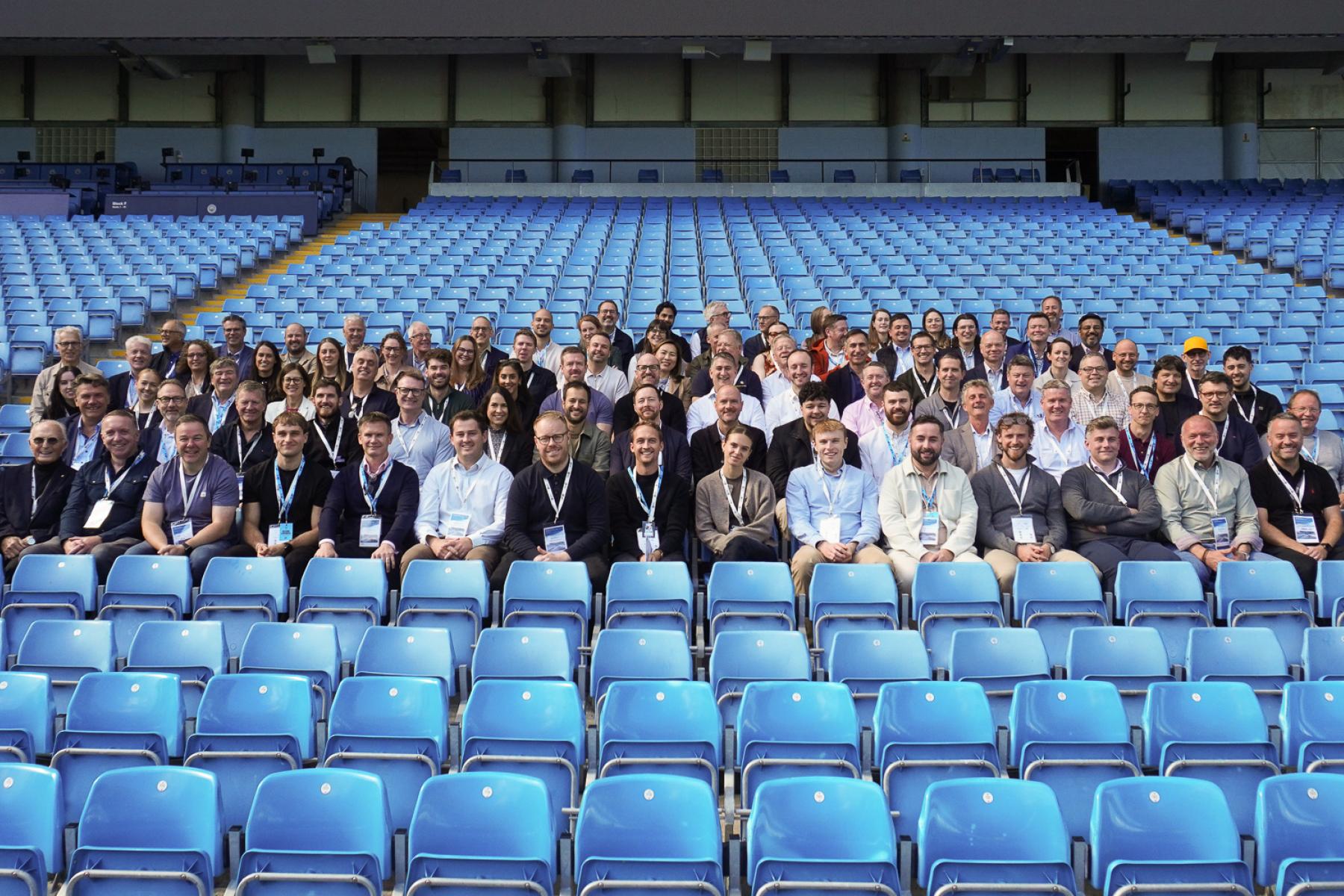
If ever there was an object lesson in political leadership, consistency, long term planning, patience, public-private partnership and resilience, it was on show at Manchester Sportcity: Sports-led regeneration, the latest IAKS UK & Ireland conference. The September event drew more than 140 people from across the UK and Ireland along with European and South American colleagues keen to understand how Manchester used sport to transform its derelict post-industrial east end into a vibrant activity and entertainment district.

Held at the Co-op Live Arena, the National Cycling Centre and Etihad Stadium – and featuring tours of all of these along with the City Training Ground – the two-day event was centred around Medlock Square, a new entertainment and hotel development which will encourage visitors to arrive earlier and stay later for events.

Preview image
Bild
Manchester Sport City Velodrome
Content
Text

Golden thread of political leadership

Image
Bild
Manchester Sport City Velodrome

© IAKS | Silke Baltzer

Text

Unusually the city had the same chief executive and leader for a quarter of a century which helped keep a focus on sport as the agent of change for east Manchester. This kind of long-term policial leadership is rare and was touched on by many speakers who paid tribute to the towering figures of Sir Howard Bernstein - the city’s Chief Executive from 1998 to 2017 and Sir Richard Leese - the city’s longest serving leader who was in charge from 1996 to 2021. 

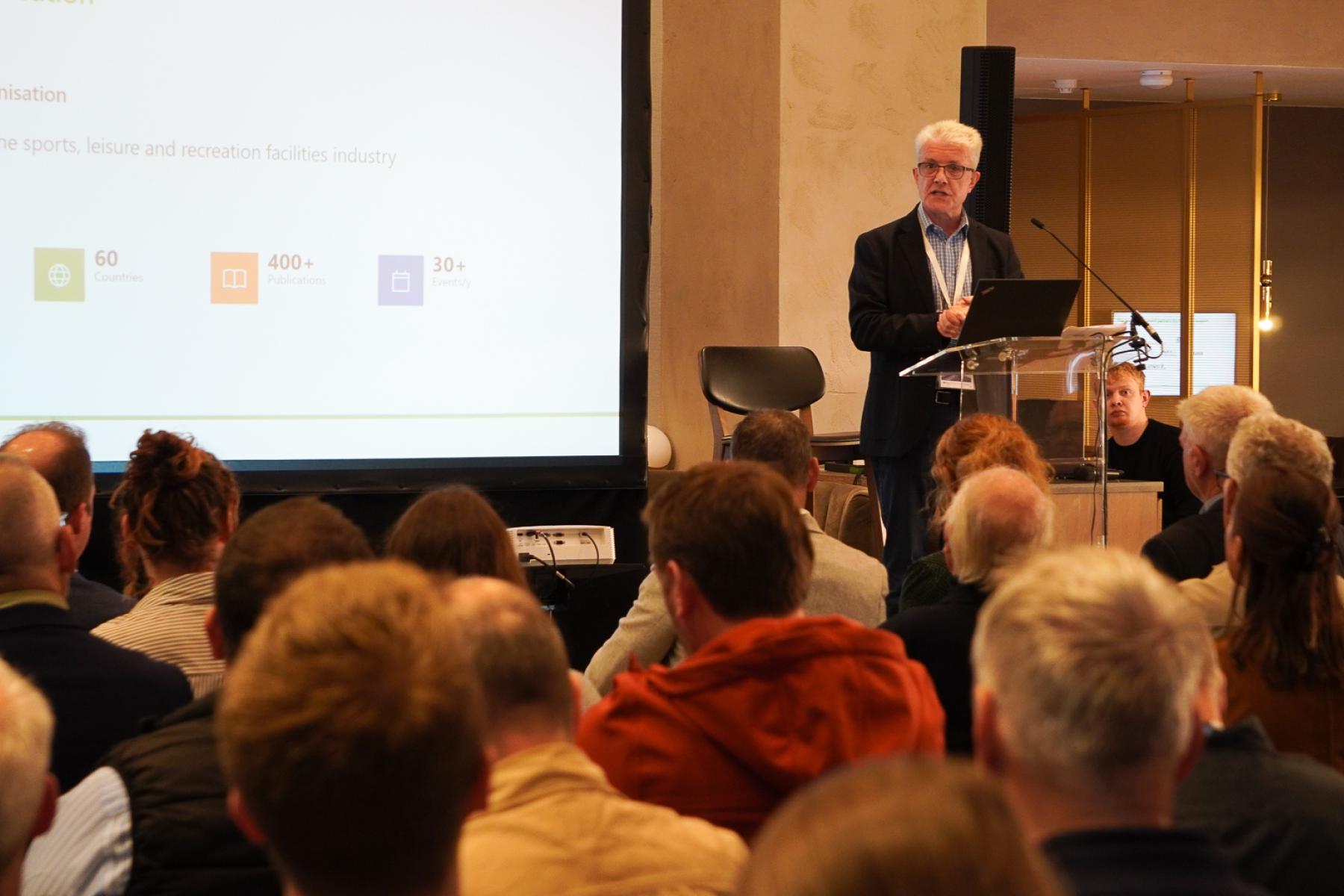
The audience was welcomed by IAKS UK & Ireland working group chair Shaun Dawson. As Chief Executive of Lee Valley Regional Park Authority, he knows a thing or two about regeneration through sport, as the Regional Park has been a key player in delivering London 2012’s sporting legacy, which has been a key driver in reinventing London’s Lower Lee Valley in a similar way to the massive changes in east Manchester. “There’s been a golden thread of political leadership, never deviating from their vision,” he told delegates.

Text

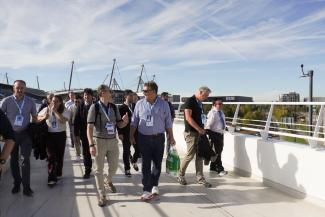
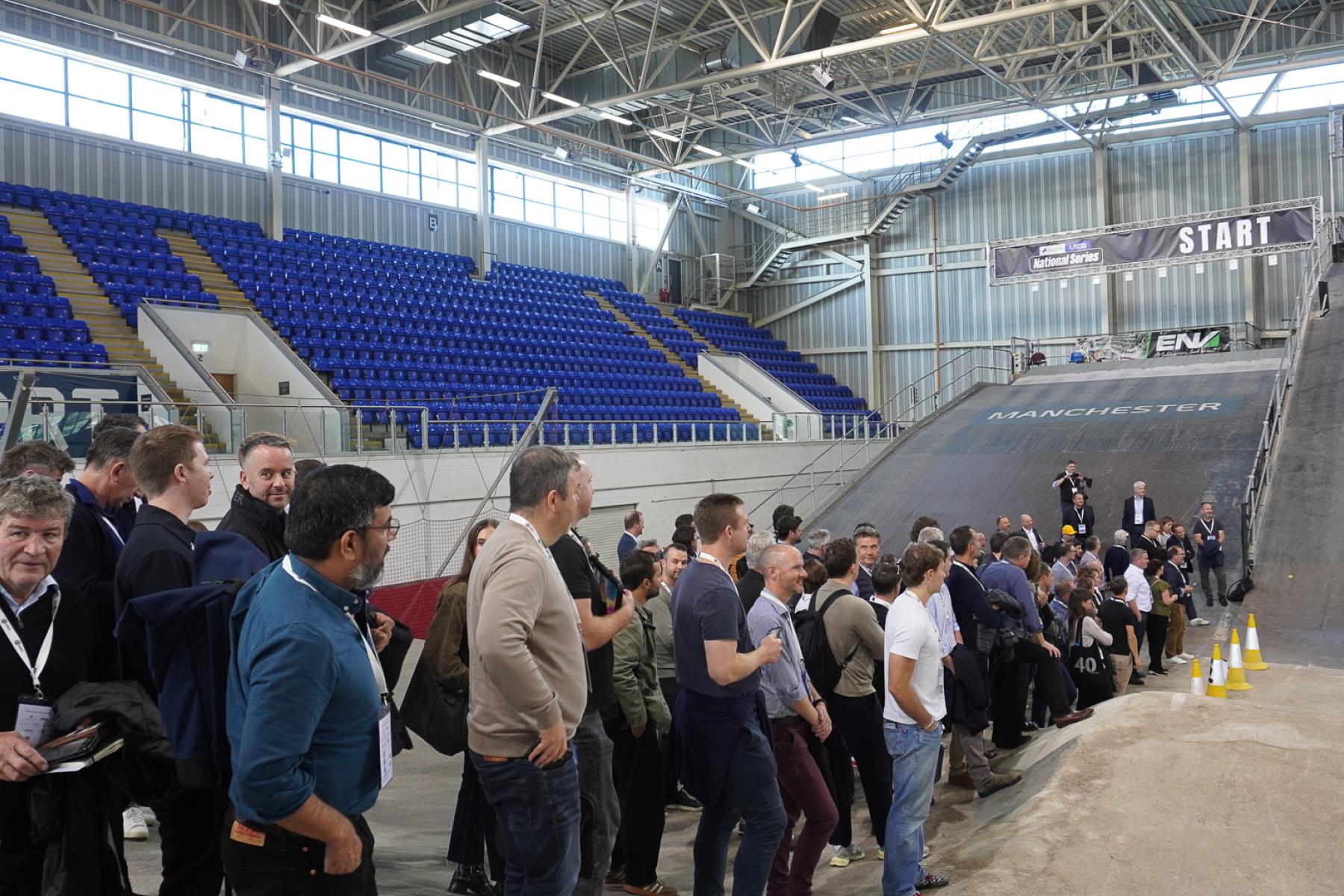
Impressive venue tours illustrated the speaker’s observations

Text

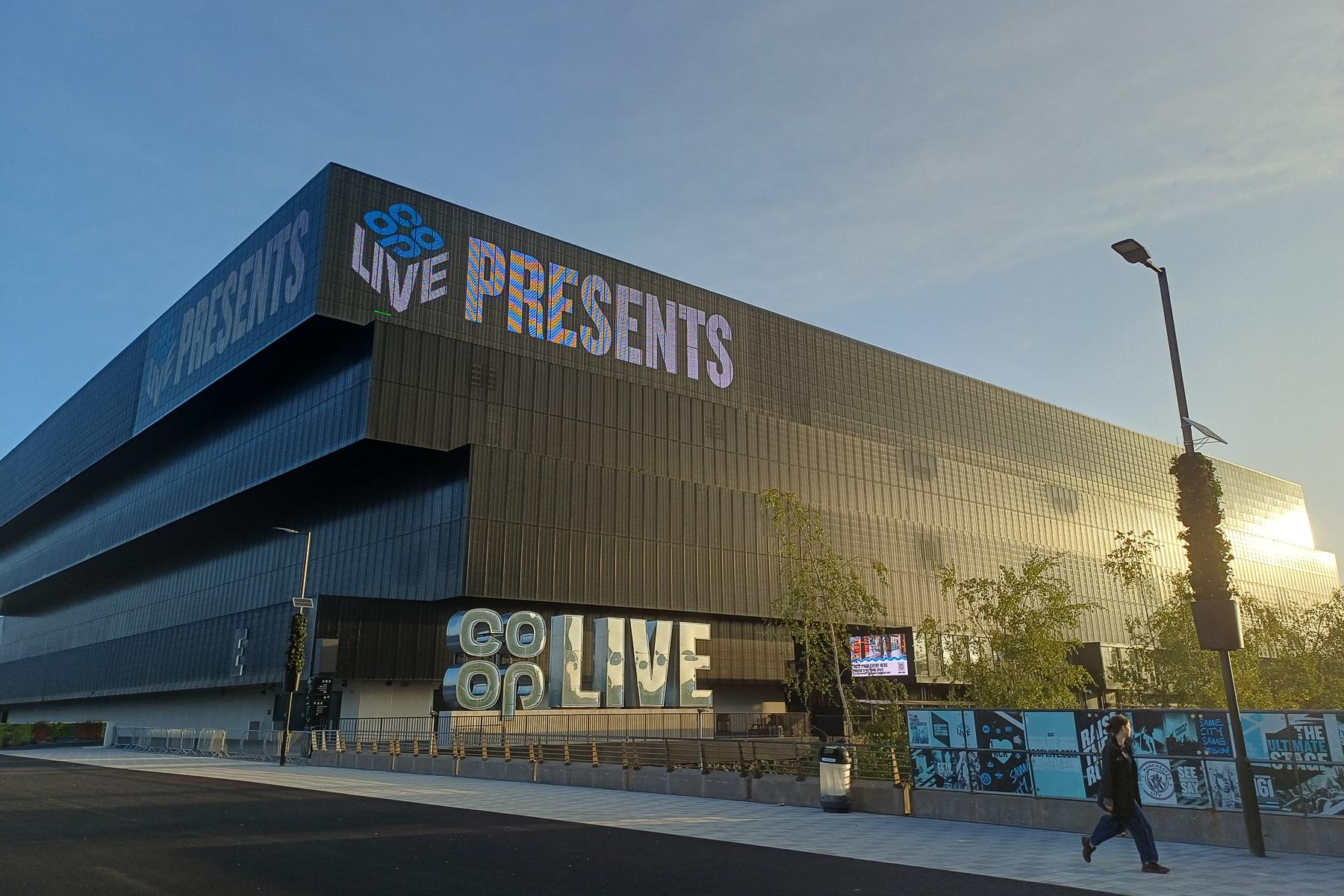
The conference began with Guy Dunstan, General Manager of the vast new GBP 365 million Co-op Live which was designed to have music, fans and the visitor experience at its heart. It’s already an enormous success attracting 1.5 million fans a year and, according to Guy, is “designed and built to be the most sustainable venue in the world.” It has rainwater harvesting, solar panels, is 100% electric, and has zero waste to landfill. He spoke about the jobs and economic growth that the venue supports – all part of the city council’s original vision for the area. 

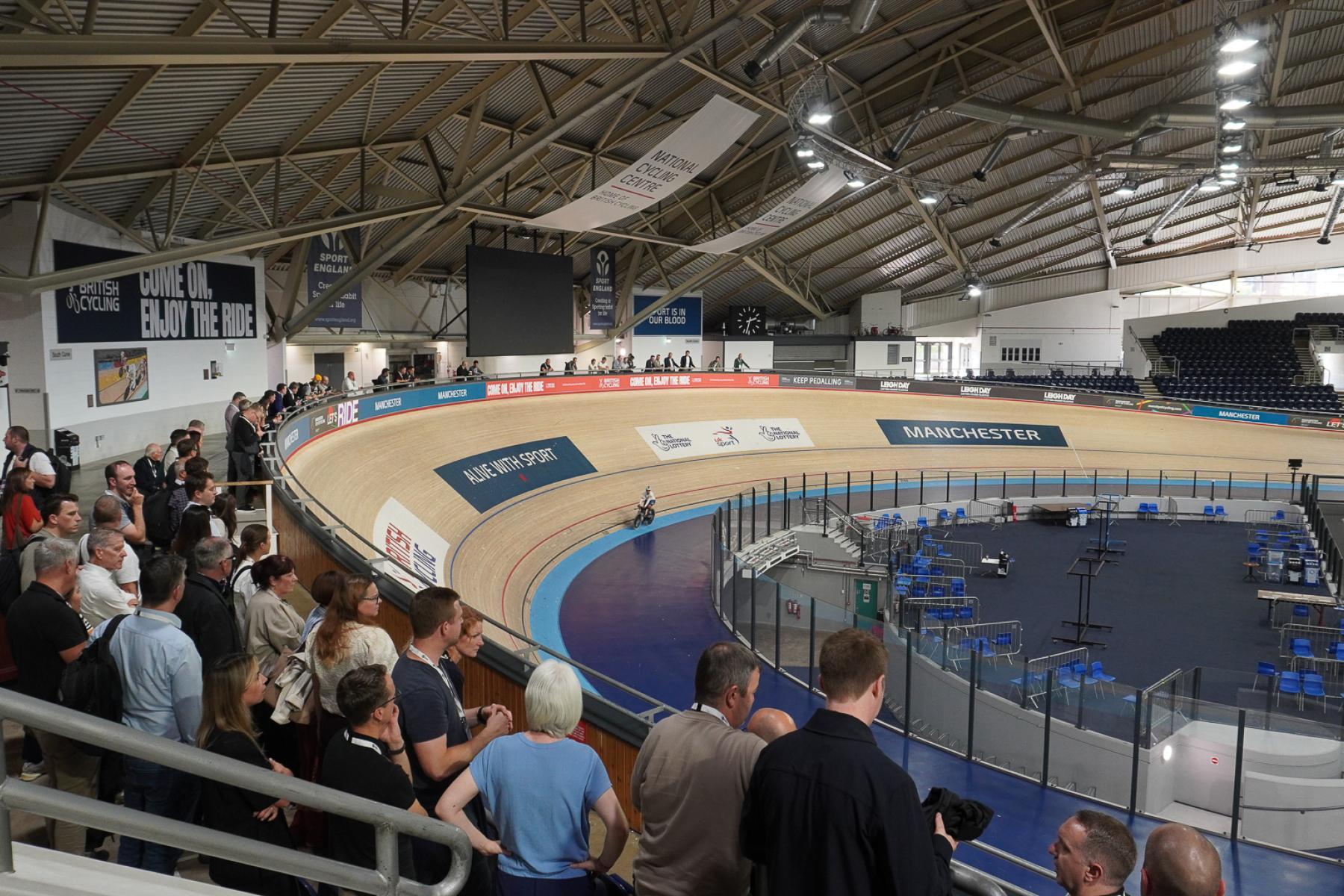
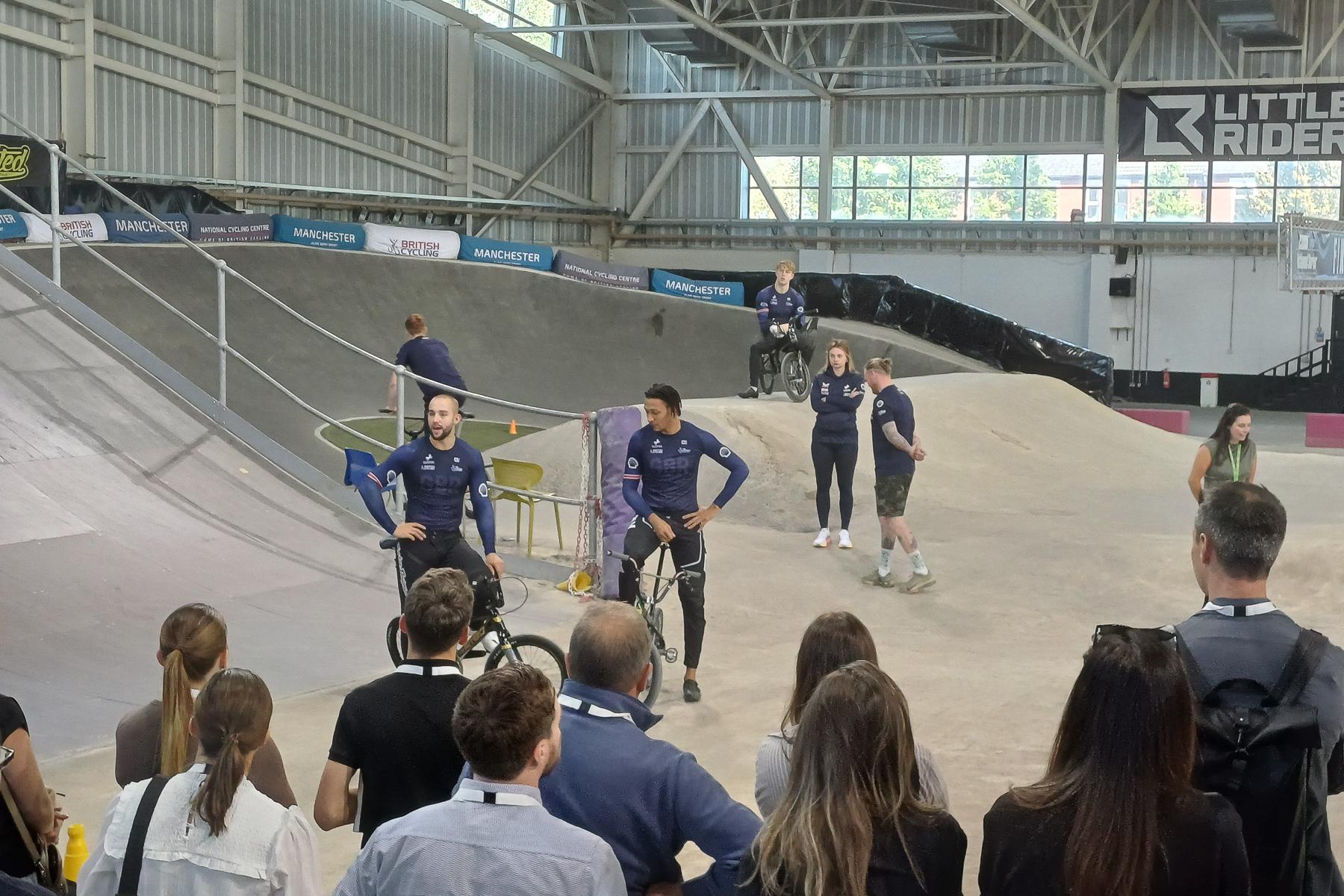
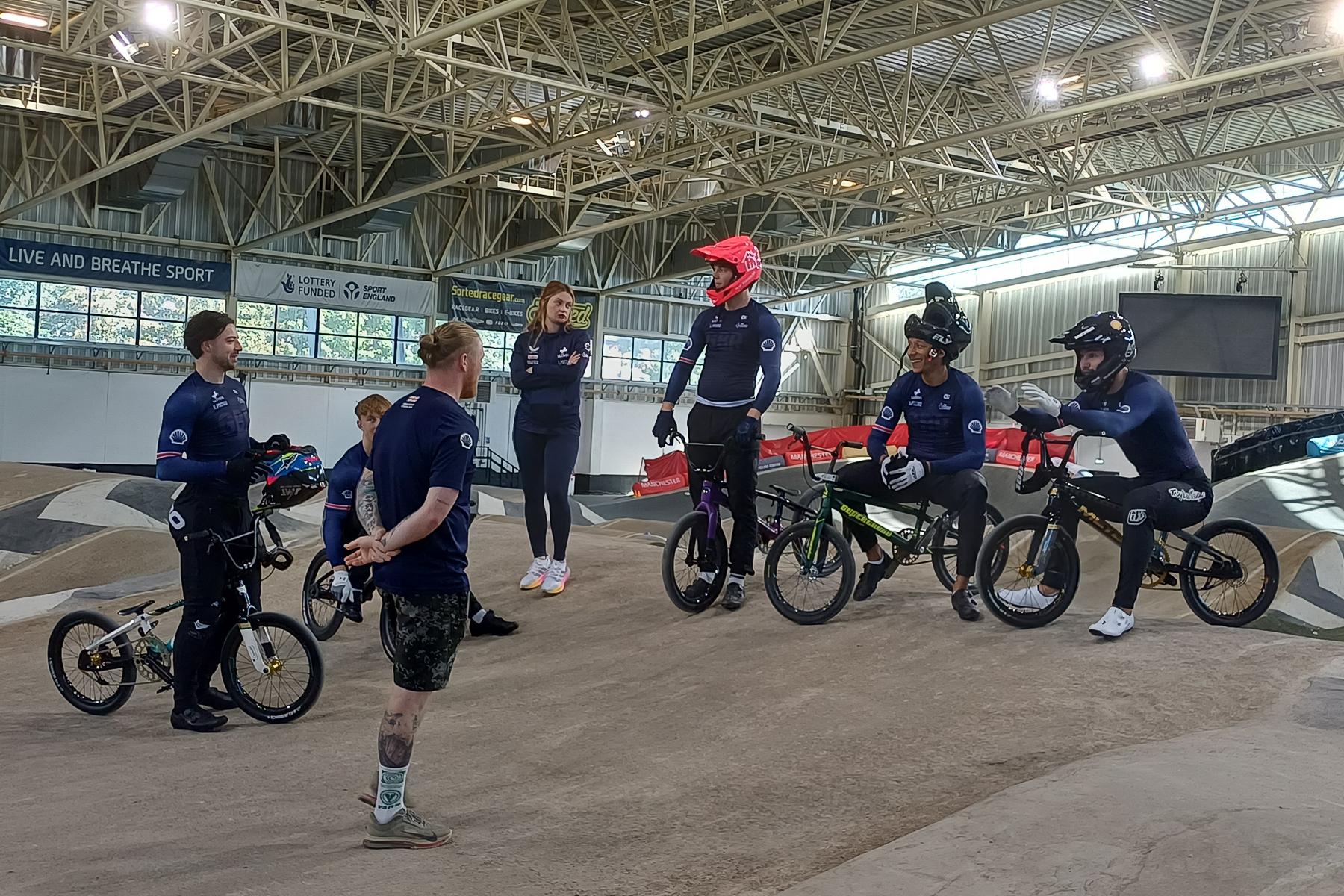
Delegates then moved to the National Cycling Centre, home of British Cycling’s elite team and the first sports venue constructed in this part of Manchester, an emblem of the city’s ambition and seriousness. “Manchester was a really challenging place, a post-industrial city, trying to find a new direction,” said Eamonn O’Rourke of Manchester Active who has worked in the city since 1976.

Industry – coal mining, chemicals, steel – thousands of jobs, one by one the industries left this area. The mantra of the city council was to create jobs. They saw sport as a vehicle for doing this.

Image
Bild
CoOp Live IAKS

© IAKS | Silke Baltzer

Image
Bild
Manchester Velodrome

© IAKS | Silke Baltzer

Text

Persistence pays off and brings the desired results

Image
Bild
Manchester Velodrome

© IAKS | Silke Baltzer

Text

Manchester bid for the 1996 and 2000 Olympics and built the velodrome as part of the 2000 bid. It lost these and a series of other bids – but learned from all of them – and then won the Commonwealth Games in 2002. “None of this happens without a long-term vision, which was about regenerating this site and bringing jobs,” said Eamonn. “It was not about a Commonwealth or Olympic Games.”

Charles Johnston, now Managing Director of Centrix, then at key funder Sport England said that for him it was all about community impact, and blending public investment with commercial activity was vital on such a long-term project.

Image
Bild
Manchester Velodrome

© IAKS | Silke Baltzer

Text

Paul Mullan, Head of Performance at British Cycling (BC) explained that velodrome is a shared facility where community use is as important as elite use. But Venue Manager Ian Harkins asked “How do we get people to come here as a destination venue? There’s still a perception that this is BC’s venue and an elite venue – that is not the case.” He explained resident discounts, innovative partnerships, employment policies and programme bringing schoolchildren to the venue – but said there is still an image problem.

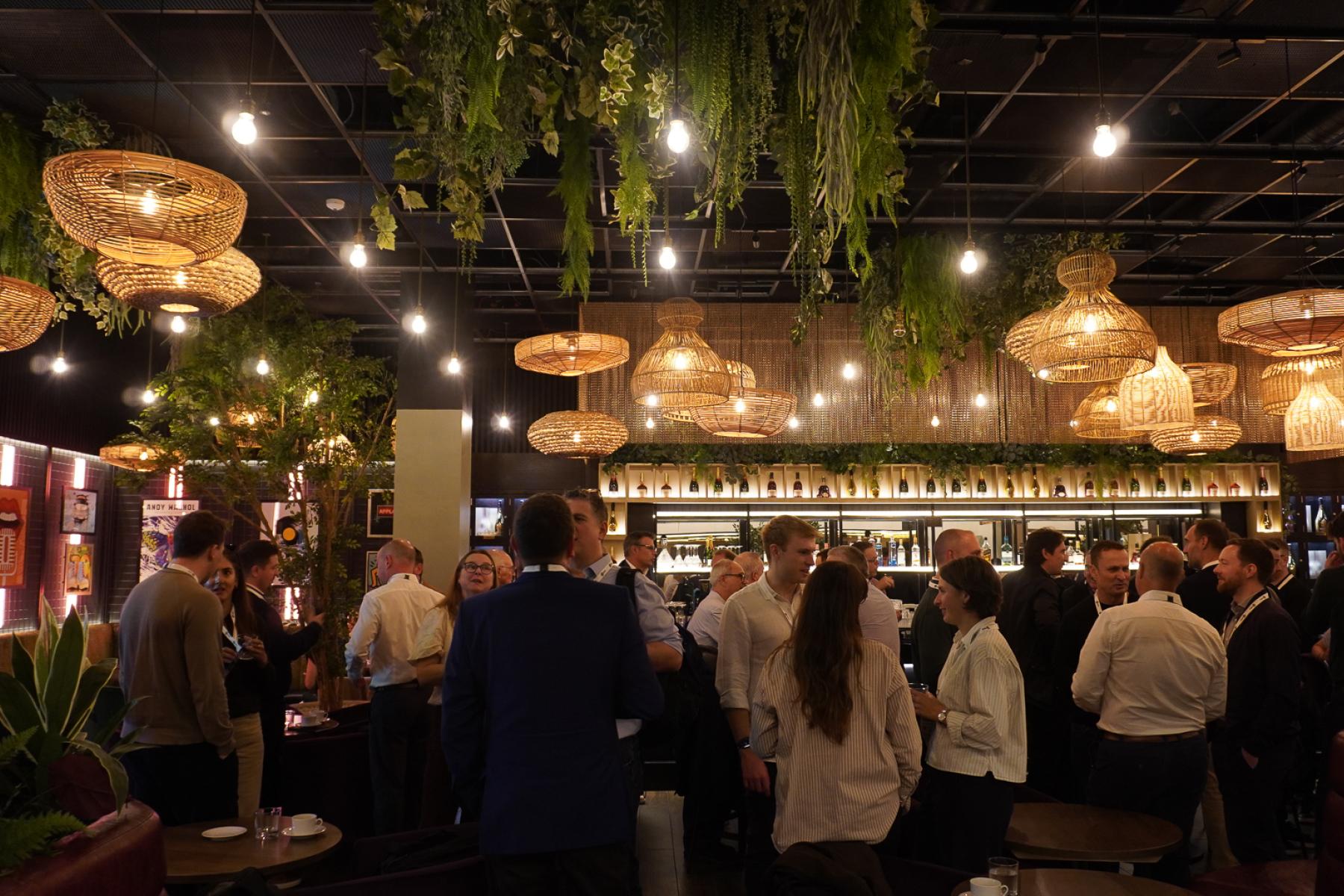
Day one concluded with a tour of the hugely impressive City Football Academy training ground campus and a great dinner in the Mancunian Suite of the Etihad Stadium – just one of a string of networking and information exchange opportunities throughout the event. 

Text

Ideas of active environments, new parks and a sports campus

Image
Bild
Shaun Dawson ManCity

© IAKS | Silke Baltzer

Text

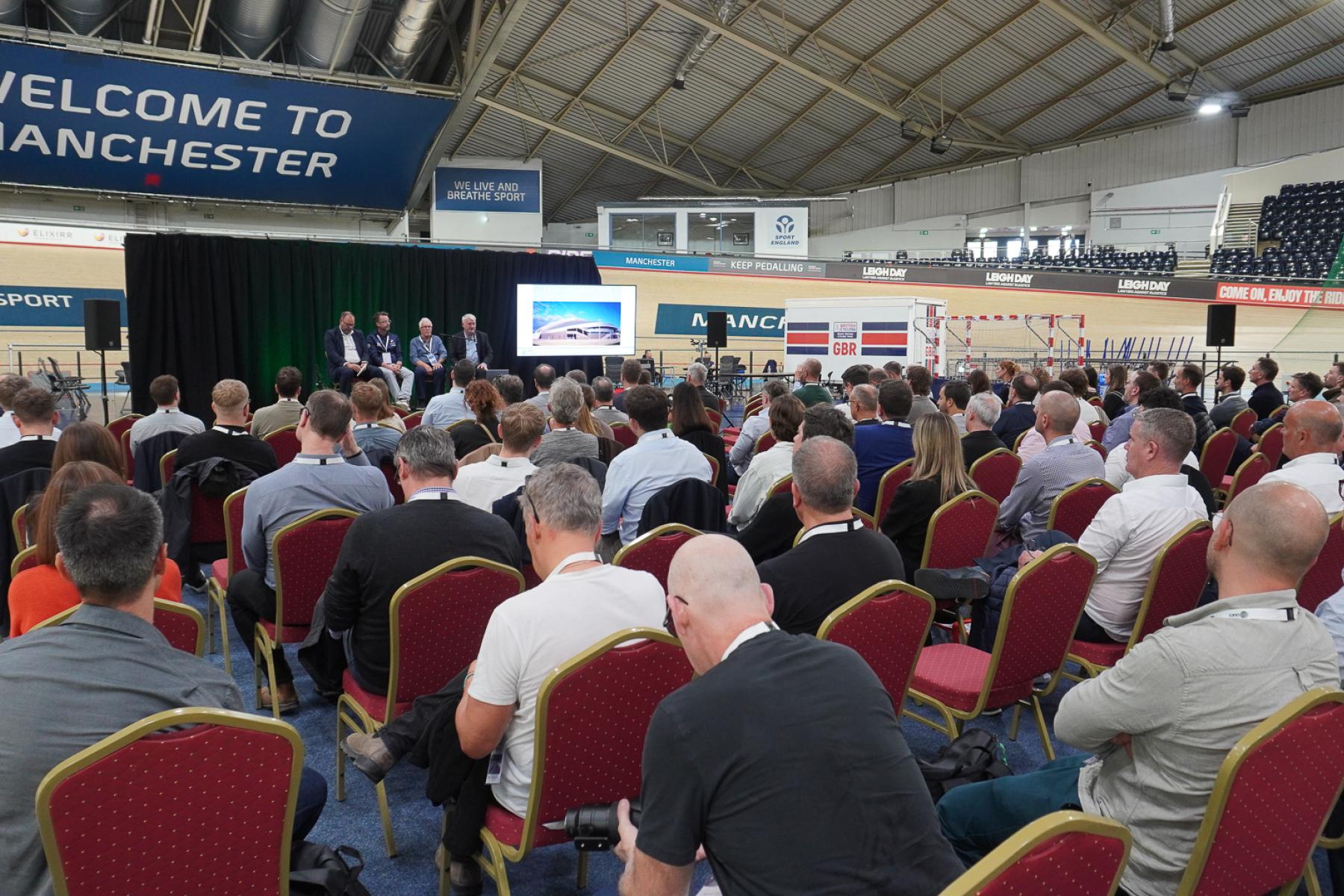
Shaun Dawson began the second day with an update on the huge amount of work which has gone into creating a new IAKS UK & Ireland section which will hopefully be up and running soon. 

The day one theme of the decay of east Manchester was picked up by Neil Fairlamb, Strategic Director of Neighbourhoods at Manchester City Council. “Manchester had lost its swagger,” he told the audience. Major event bids were tools for regenerating east Manchester with ideas of active environments, new parks and a sports campus. “We built the velo as a statement of intent,” he said.

Securing the Commonwealth Games was, he said, testimony to the vision, ambition and desire for connectivity (the Manchester Metrolink tram couldn’t be created for the Commonwealth Games, but land was safeguarded for it). Venues like the stadium were designed with end use in mind – delegates had already heard that the council only built the stadium after a commitment from the then lowly Manchester City Football Club to move from its old Maine Road ground to the new stadium – and commercial viability. 

Text

Key factor: waterfall payments

Text

He outlined the all-important waterfall payments process which has been key to the ongoing development of the whole area. This is where Sport England and the City Council reinvests profits from major facilities like the Etihad Stadium into grassroots and non-profit community sports across Manchester – with a particular focus on making sure activities were affordable, and for local residents. 

He said Manchester’s long-term success had an effect on the UK as a whole. “Manchester paved the way for the success for the London Games. There’s no way the IOC would have had confidence in the legacy of the Games, nor would government.”

Engaging communities through the process was vital, said Trudi Else from Sport England. There had to be a connection to local people so they could understand the vision and approach, and the sport, employment and wider benefits. 

Ian Slater, the council’s Assistant Director of Major Regeneration, explained the importance of partnership – another key tenet repeated by many speakers. “It’s been critical to identify partners around shared values, to squeeze value for our residents,” he told the audience.

Image
Bild
Manchester Sport City

© IAKS | Silke Baltzer

Image
Bild
Manchester Sport City

© IAKS | Silke Baltzer

Text

Legacy: a priority from day one 

Image
Bild
Manchester Sport City

© IAKS | Silke Baltzer

Image
Bild
Manchester Sport City Group Picture

© IAKS | Silke Baltzer

Text

Paul Shakepeare of Populous took delegates through the ingenious way that the legacy use of the Commonwealth Games stadium had been worked in from the very start, and the idea of the wider footballing campus with community pitches and the Academy with sightlines to the Etihad to “create a ladder of desire” to aspire to play at the highest level. 

The event continued with insights on social value, health impacts and return on investment into sport and physical activity from Prof Larissa Davies of Manchester Metropolitan University and Dr Daniel Fujiwara from The Sports Consultancy of the social value of Premier League stadia which go beyond widely understood economic impacts to much wider social impacts. 


It concluded with Joe Dale from Crest Experiences outlining the range of social and economic benefits which a major surf park ‘Surf London’, planned for London’s Lee Valley Regional Park, will bring – financial, jobs, access to parkland, play spaces and a host of other activities. He also outlined the need to show investors that people are willing to spend money and leisure time on great experiences.

A huge thank you to everyone who attended, spoke at, moderated, hosted, sponsored and organised this IAKS UK & Ireland conference, with a special mention to the event's creator and driving force Tom Jones, of Populous, and the IAKS UK & Ireland working group.