Sports and leisure facilities in the four-country region
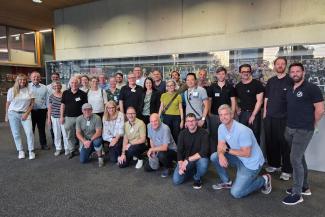
Two days, four countries, one goal: to gain first-hand experience of the latest solutions for sports and leisure infrastructure and to evaluate them together. Organised jointly by IAKS Germany, Austria and Switzerland, the trip took place in the Lake Constance area. The participants travelled from Lindau in Germany via Switzerland and Liechtenstein to Bregenz in Austria, following a tight schedule that included time deliberately allocated for discussion and reflection.
© IAKS Germany | IAKS Switzerland
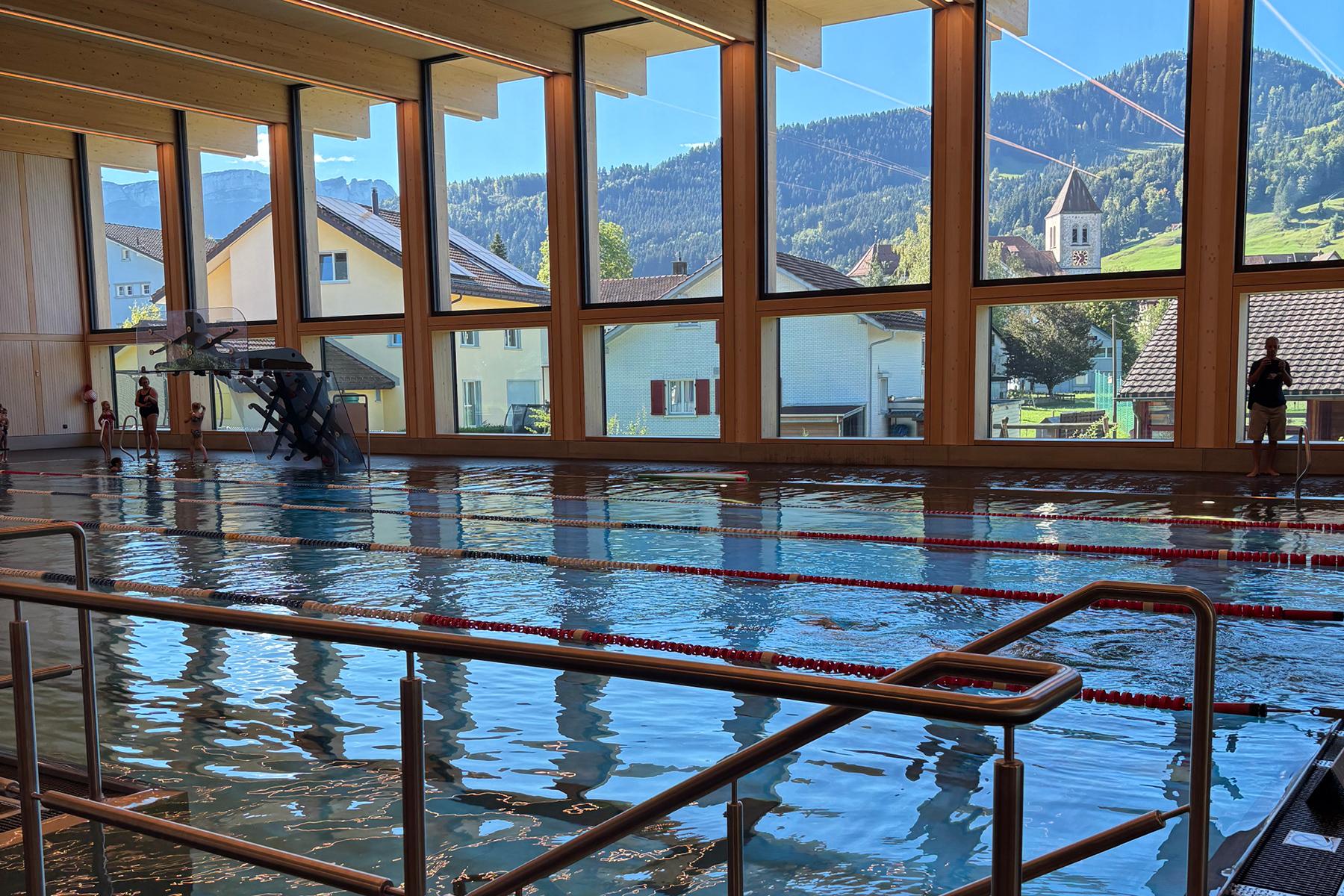
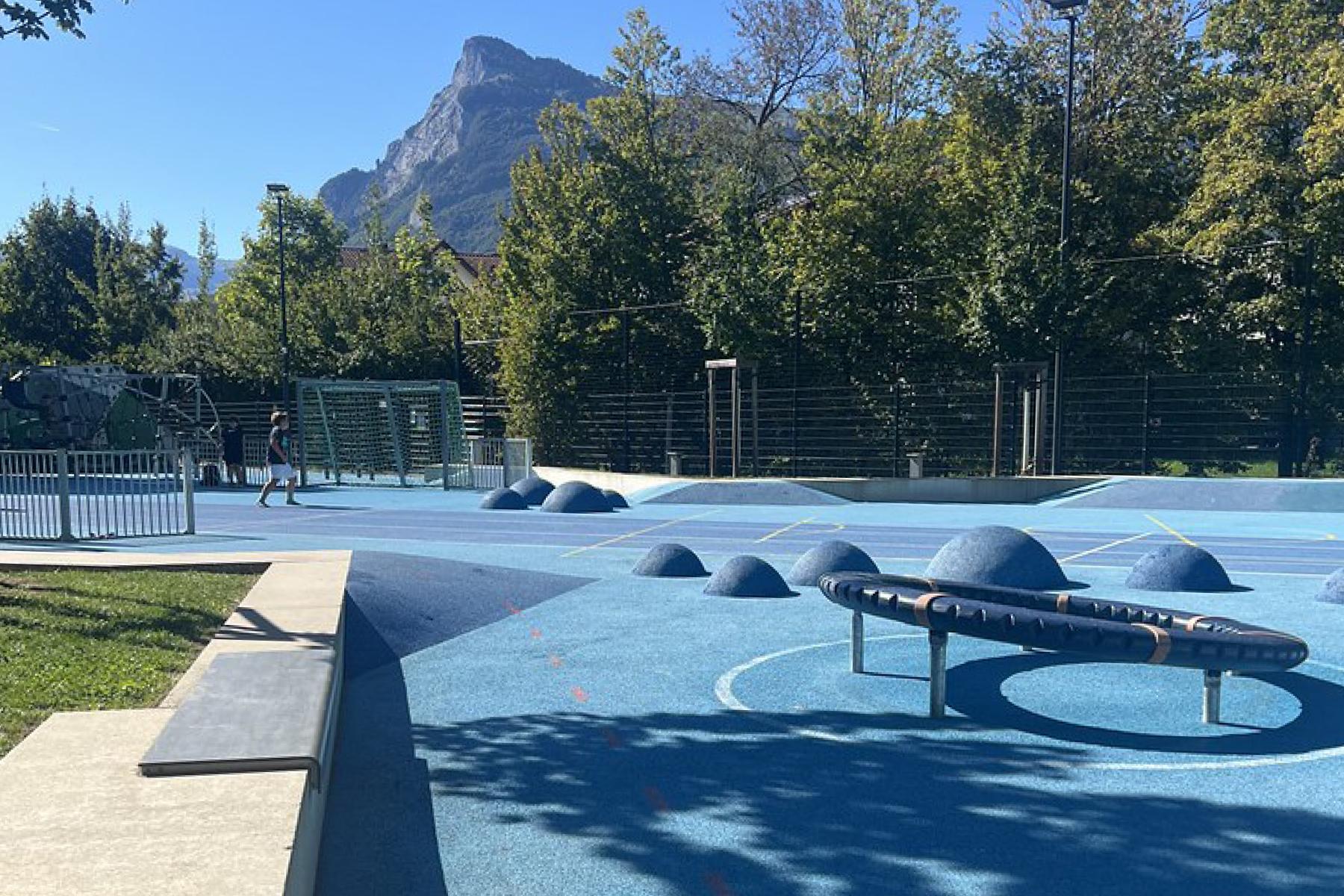
Right from the very first day, the route showcased the full range of today’s sports facilities: from Appenzell‘s swimming pool and Hinwil‘s sports centre to school and local sports facilities in Balzers, Triesen and Gamprin. The final stop was the Rieden-Vorkloster sports hall in Bregenz. In all the projects, the central question was how to reconcile functional requirements, suitability for everyday use, safety and quality of experience. The coach trips between the sites were put to good use for discussing what had been seen, comparing strategies and gathering ideas for projects back home, ranging from the management of existing infrastructure to the gradual upgrading of local facilities.
The second day kicked off right on the hotel’s doorstep with the Lindau thermal spa. Clearly evident here is just how consistently the principle ‘The Lake is the Star’ had been implemented in the architecture and the design of the outdoor spaces. Instead of ostentatious architectural features, the emphasis is on a restrained design language that opens up the view of Lake Constance. In discussions with those in charge, the tour party gained insights into the extensive requirements relating to landscape conservation and planning law, as well as the details of day-to-day running, including everything from online ticketing and speed gates to accessible route planning. The priorities regarding operational processes, cost-effectiveness and the desired atmosphere were also explained.
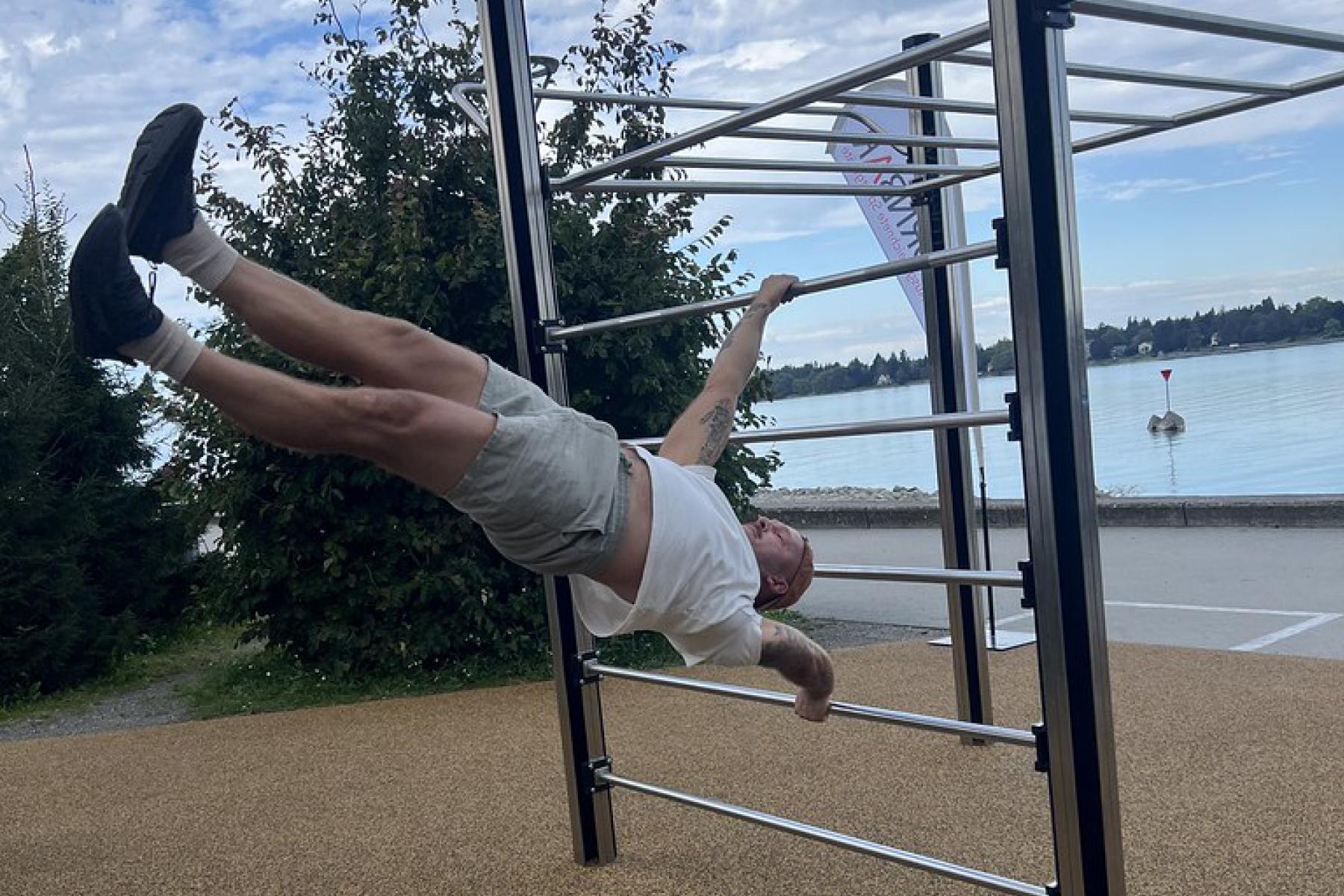
Next on the programme was the sports trail on Lindau island. Key features include a calisthenics facility for bodyweight exercises, as well as other informal sports facilities in and around the Westpark. In Bregenz, the Maria Hilf intergenerational park and the Freizeit Remise demonstrated just how effective well-designed open spaces can be for all age groups – from readily accessible exercise opportunities and quality of experience to integration into the urban fabric. It became particularly clear just how important regional rootedness, heavy-duty materials and a high degree of openness are – many of these facilities are open all year round, are used by schools, clubs and families alike, and only work because users’ personal responsibility also plays a part.
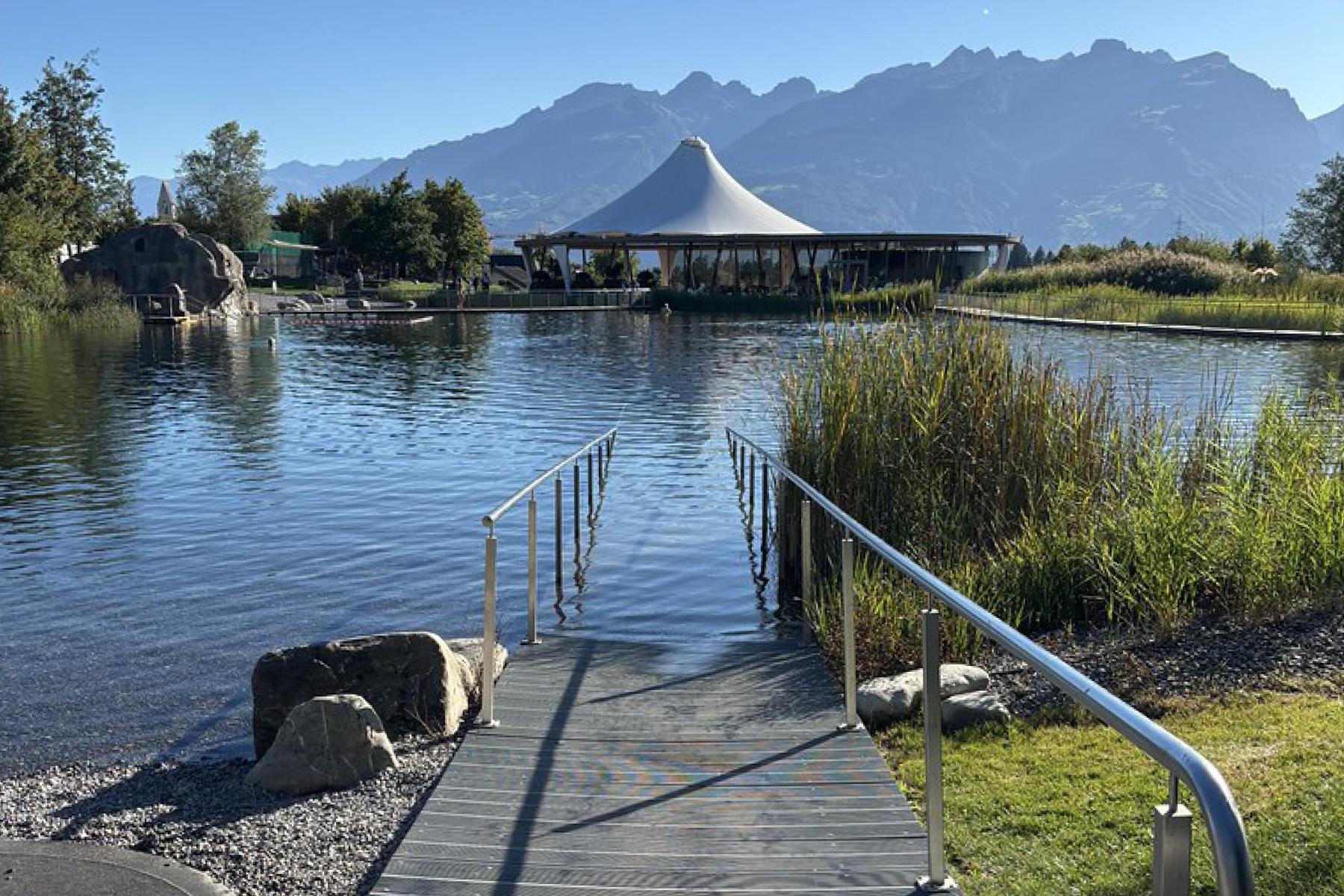
A highlight of the trip was the opportunity to explore the Grossabünt leisure centre in Liechtenstein, a facility that has been in operation for many years and features a natural swimming pond: no admission fee, no fixed opening hours, weekly water tests and a completely natural system. Remarkable from both a planning and operational perspective is that the water quality remains stable despite heavy use, and the technical effort required has been reduced to a minimum – partly because tributaries, water levels and land use in the surrounding area have been very precisely balanced. These factors were backed up by pragmatic yet consistent decisions: no need to laboriously remove anything that shouldn’t be there in the first place; existing materials were largely reused; and plans for replacement planting and tree growth extend over several years.
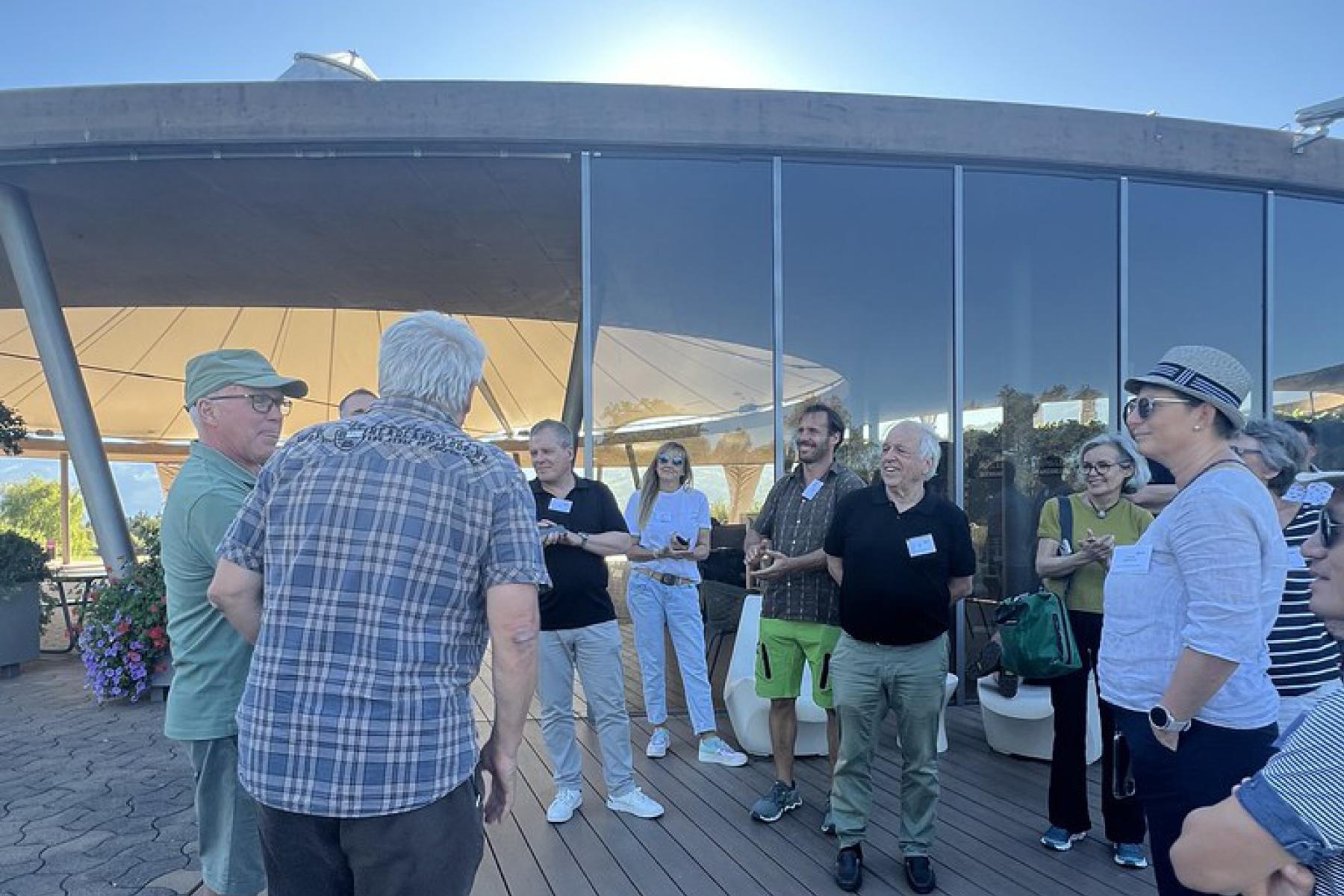
Across all the venues, it became obvious just how different the responses to similar questions can be. For those taking part, the trip offered not only a packed programme of best-practice examples, but also plenty of opportunity for in-depth discussions: on the coach, on site with the respective project leaders, and at the networking evening organised jointly by IAKS Germany, Switzerland and Austria at Lindau’s thermal spa.
The IAKS DACH trip in 2026 impressively demonstrated the added value that a first-hand look at actual practice, personal encounters and cross-border exchanges bring to future projects in sports and leisure infrastructure.