Text

One day, two top Vienna locations and 38 experts from planning, operations, architecture, technology, associations and authorities: 

The IAKS expert meeting "Stadiums & Arenas through the Years" on November 5th, 2026, focused on practical experience, exchange, and future questions concerning modern sports and event venues. Hosts were Harald Fux (President IAKS Austria), Christoph Joklik (Managing Director of Sport Arena Vienna), and Thomas Waldner (Managing Director of Wiener Stadthalle).


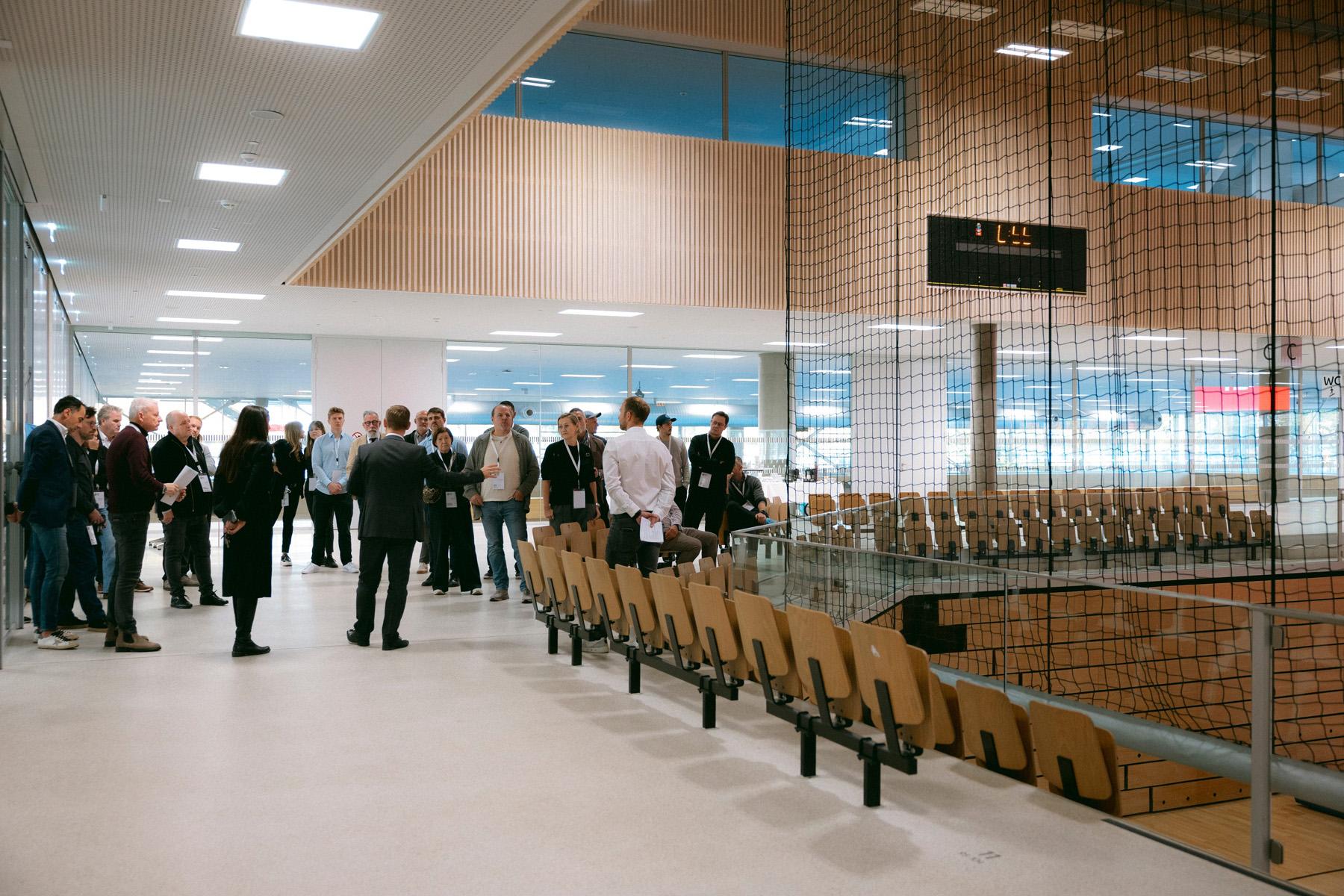
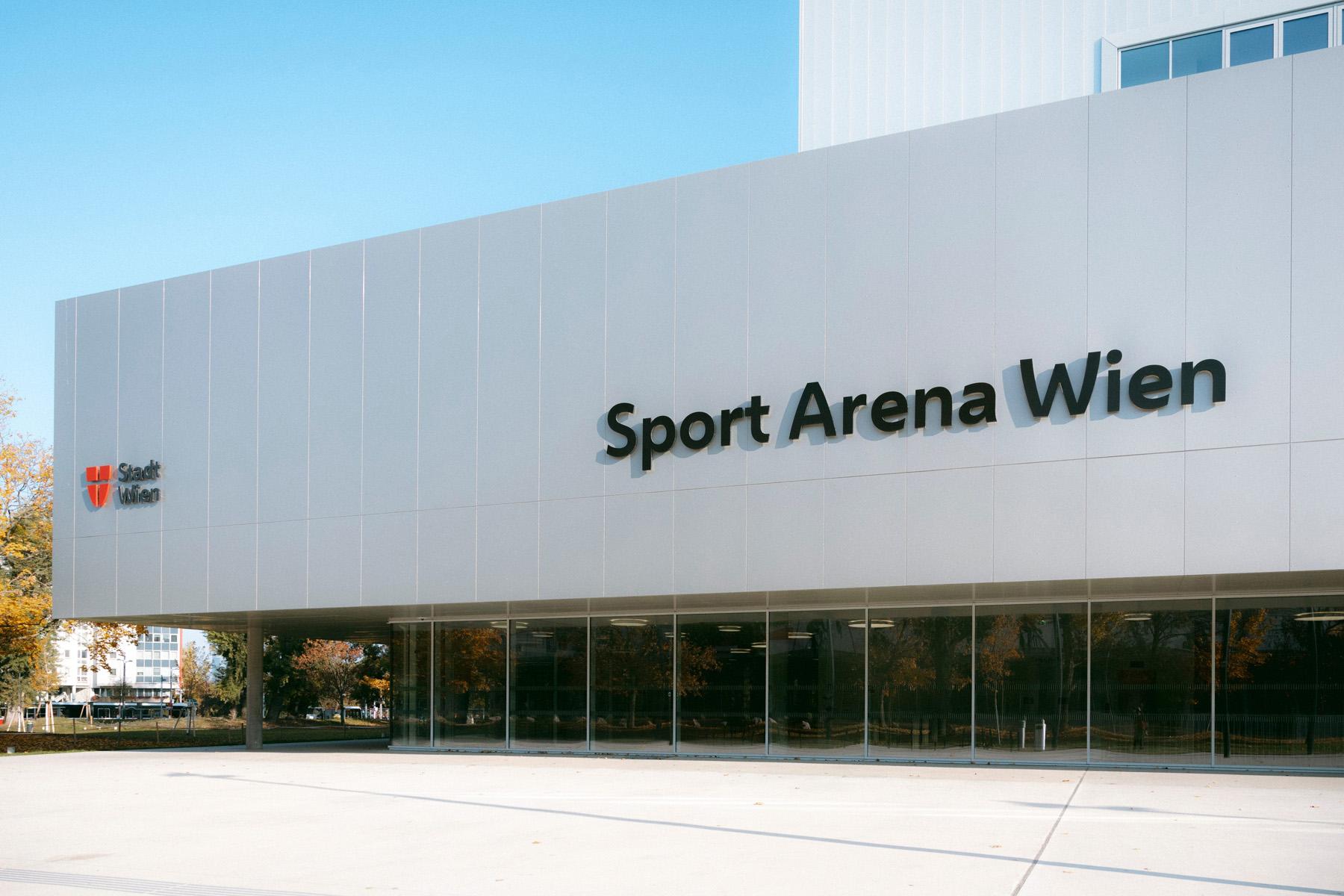
In the morning, Wien Holding Sport GmbH provided a first highlight with a tour of the new Sport Arena Vienna. This state-of-the-art, multifunctional facility features three independently operable halls, a spectator capacity of up to 3,000, and energy self-sufficient infrastructure. It impressively demonstrates how spatial usage, operational organization and sustainable energy supply can work together. Christoph Joklik emphasized how valuable it is to mirror the planning, management, and development of a new sports venue in direct exchange with industry experts - and how important the transfer of knowledge and experience is for future-proof solutions.
Preview image
Bild
2026 Wien Nov 5_facade_1800 px (c) IAKS Austria Lisa Leutner
Content
Text

Looking beyond Vienna into the wider world

Image
Bild
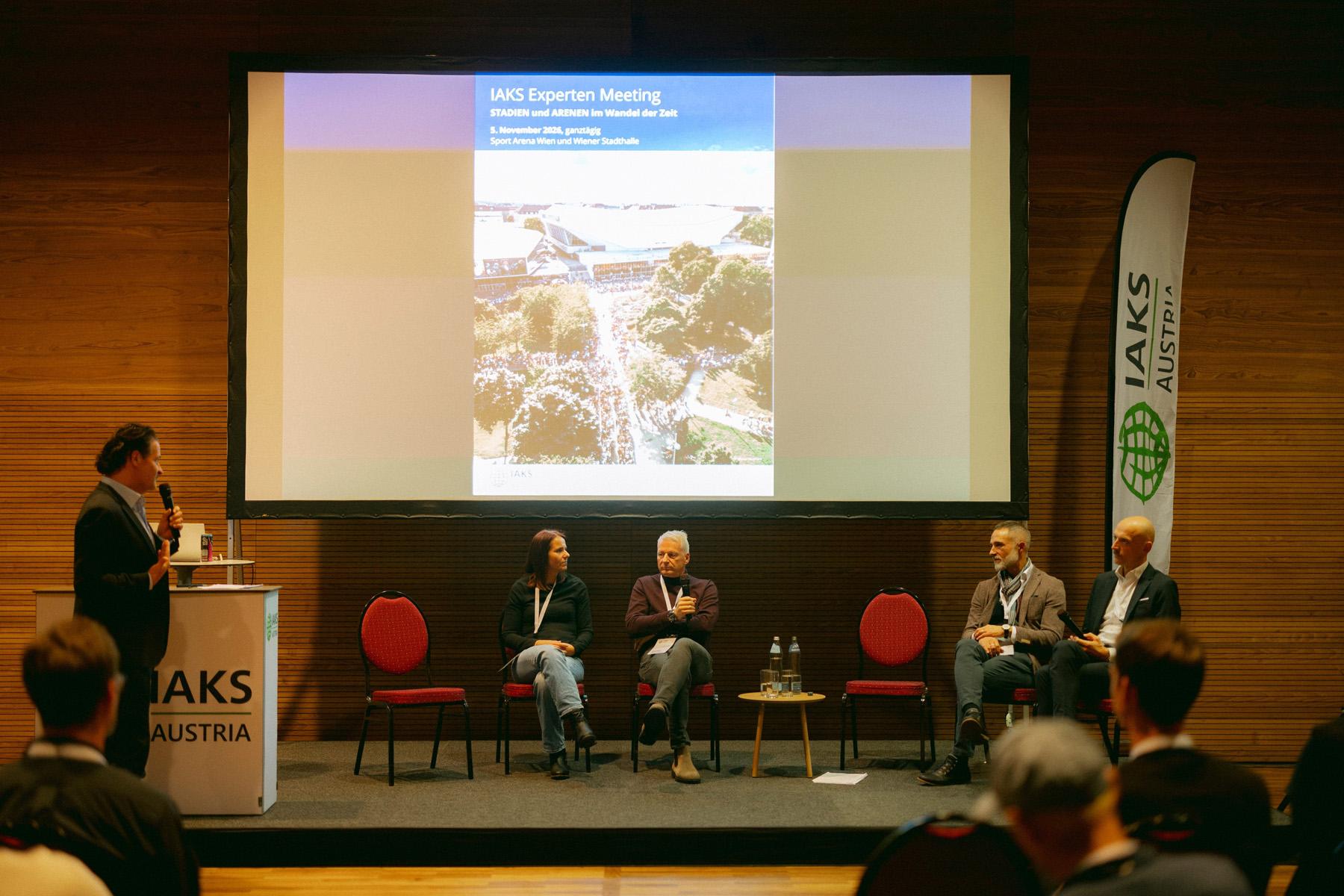
2026 Wien Nov 5_panel_1800 px (c) IAKS Austria Lisa Leutner

(c) IAKS Österreich Lisa Leutner

Text

Stadiums as an economic factor

The Olympiaworld Innsbruck, presented by Michael Ausserhofer and Matthias Schipflinger, showed the role of one of Europe's largest event centers as an economic and sporting driver. Two factors highlight the contribution of stadiums and arenas as infrastructure to regional value creation. This is evident firstly in the ownership structure of the State of Tyrol and the city of Innsbruck. Secondly, the effects measured by WIFO (Austrian Institute for Economic Research) amount to around 380 million euros in gross value added and over 6,000 secured jobs per year, more than 70% of which are in Tyrol.


The Sportpark Klagenfurt with the Wörthersee Stadium stood as an example of the path "From EURO Stadium to the Sports Park of the Future". 

Barbara Pribernig and Christian Fekonja showed how a stadium built for EURO 2008 with a planned reduction to 12,000 seats became a permanently used multifunctional site with 30,000 seats - including sports park hall, beach center, archery center, Leopold Wagner Arena, as well as office and seminar rooms. 

At the same time, the reality of a municipal sports venue became visible: a 100% subsidiary of the city, annual losses of individual facilities, many installations are 10 to 15 years old. The current budget primarily allows for maintenance rather than comprehensive modernization. The strategic focus is on further positioning as a sports, leisure and event location and preserving multifunctionality.
 

Text

Austria's most important multipurpose arena: the Wiener Stadthalle

Image
Bild
2026 Wien Nov 5_seating_1800 px (c) IAKS Austria Lisa Leutner

(c) IAKS Österreich Lisa Leutner

Text

In the afternoon, the Wiener Stadthalle - one of Europe's top arenas - opened its doors. 

With over one million visitors and around 300 events annually, the Wiener Stadthalle is one of the most frequently used venues on the continent, with its particular strength being its enormous flexibility. From international top stars, musicals, theater and cabaret to sports events and TV shows, the most diverse formats can be realized here at the highest level. 

This is made possible by the top technical equipment, versatile spatial concepts and above all the expertise of an experienced team. As a member of Arenas Europe, the Wiener Stadthalle is also part of a strong European network of leading venues and is actively committed to shaping the future of the live and event industry and setting new standards.

Text

Two significant investments enhance guest experience

On the tour with Thomas Waldner, participants gained insights into control centres, operational processes, and the ongoing modernization of a venue that has been in continuous use for decades. Especially noteworthy were two investments that are hardly visible from the outside: the photovoltaic system on the roofs of halls D and F as well as the installation of a modern air conditioning system. Both strengthen sustainability and operational reliability and at the same time ensure a noticeably better guest experience.

Text

Event-free periods are a thing of the past

Image
Bild
2026 Wien Nov 5_Cannabona_1800 px (c) IAKS Austria Lisa Leutner

(c) IAKS Österreich Lisa Leutner

Text

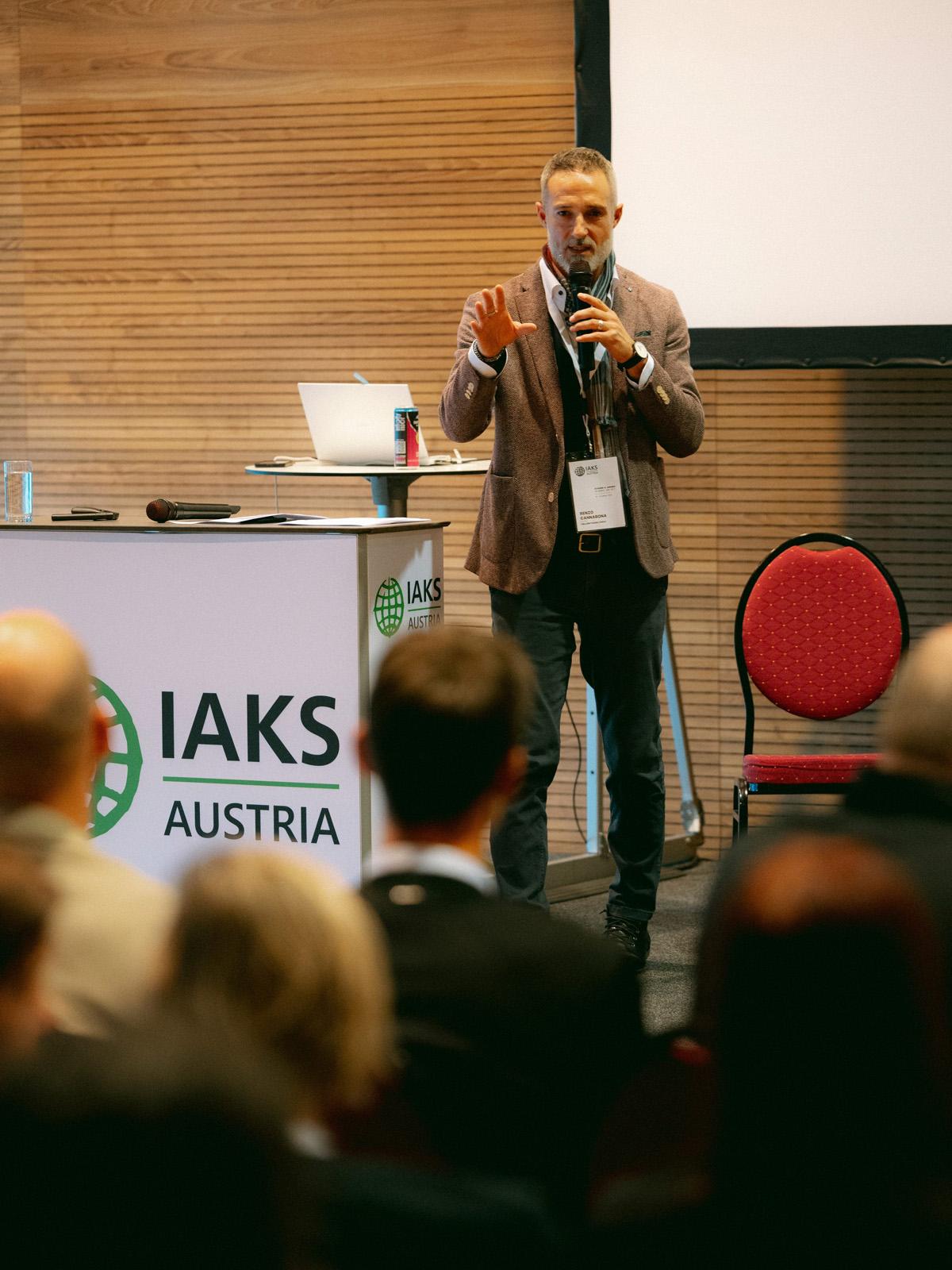
A close alliance emerged in the contribution by Renzo Cannabona (Hallenstadion Zurich), whose venue displays many historical and operational parallels to the Wiener Stadthalle. 

Taking as an example a planned hospitality conversion with eight weeks construction time and an event-free window of three weeks, he illustrated vividly how closely calendars, operations and construction projects are now intertwined. Summer operational breaks are a thing of the past; arenas must now justify why they even need event-free periods - while at the same time, demands on comfort, flexibility, sustainability and profitability are rising.


Future viability through deliberate omission

Cannabona made it clear: buildings in Europe differ, but the “impossible calendars” are similar. In practice, future viability often means selecting the two out of ten sensible projects for which there is enough time and budget - while simultaneously managing unplanned failures in existing structures. 

The three core messages of the Head of Sales & Marketing: 

  • Precisely know the infrastructure and risks, 
  • Clearly assess investments by purpose and financing, 
  • and learn consistently from each other. 

Because at many locations, the arena of the future is the building that already stands today - the task is to create the conditions there for future operations.

Text

Important: exchange with experts

Image
Bild
2026 Wien Nov 5_Weberstofer Fux_1800 px (c) IAKS Austria Lisa Leutner

(c) IAKS Österreich Lisa Leutner

Text

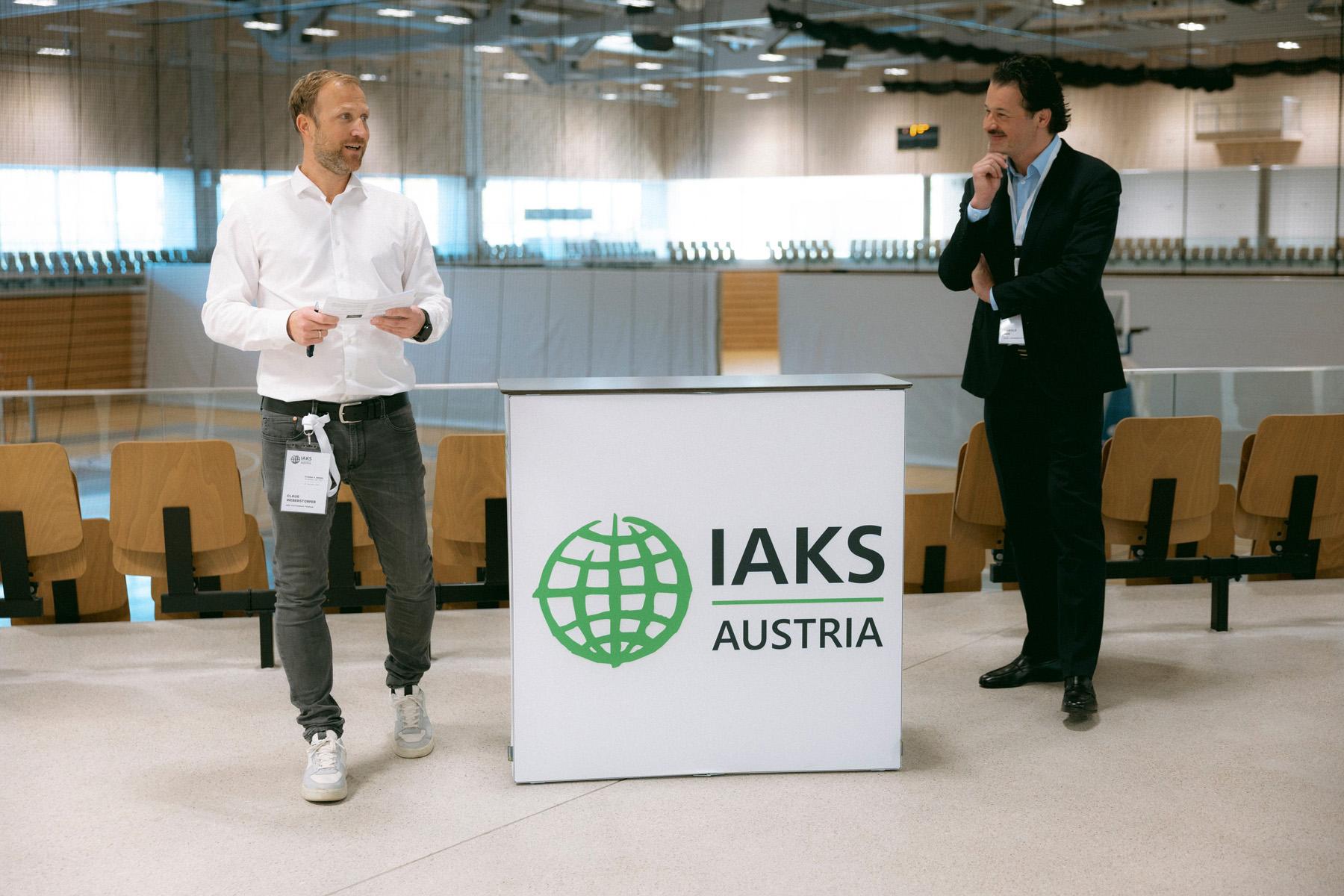
The day impressively demonstrated how complex the balance between major events and day-to-day usage, profitability and societal mission, sustainability, operational reliability and user experience has become. Precisely for this reason, IAKS Austria considers formats like this IAKS expert meeting so valuable: to openly talk about challenges, make good solutions visible, and jointly develop viable international future strategies for stadiums and arenas.

A heartfelt thank you to all participants, to the hosts at Sport Arena Vienna and the Wiener Stadthalle, to Elisabeth Schrenk (Managing Director, IAKS Austria) for the organization, Claus Weberstorfer-Steinbichler (Vice President, IAKS Austria) for moderation and contextualization, and to photographer Lisa Leutner who captured the day in pictures.