Text
Inclusive and accessible aquatic facility design
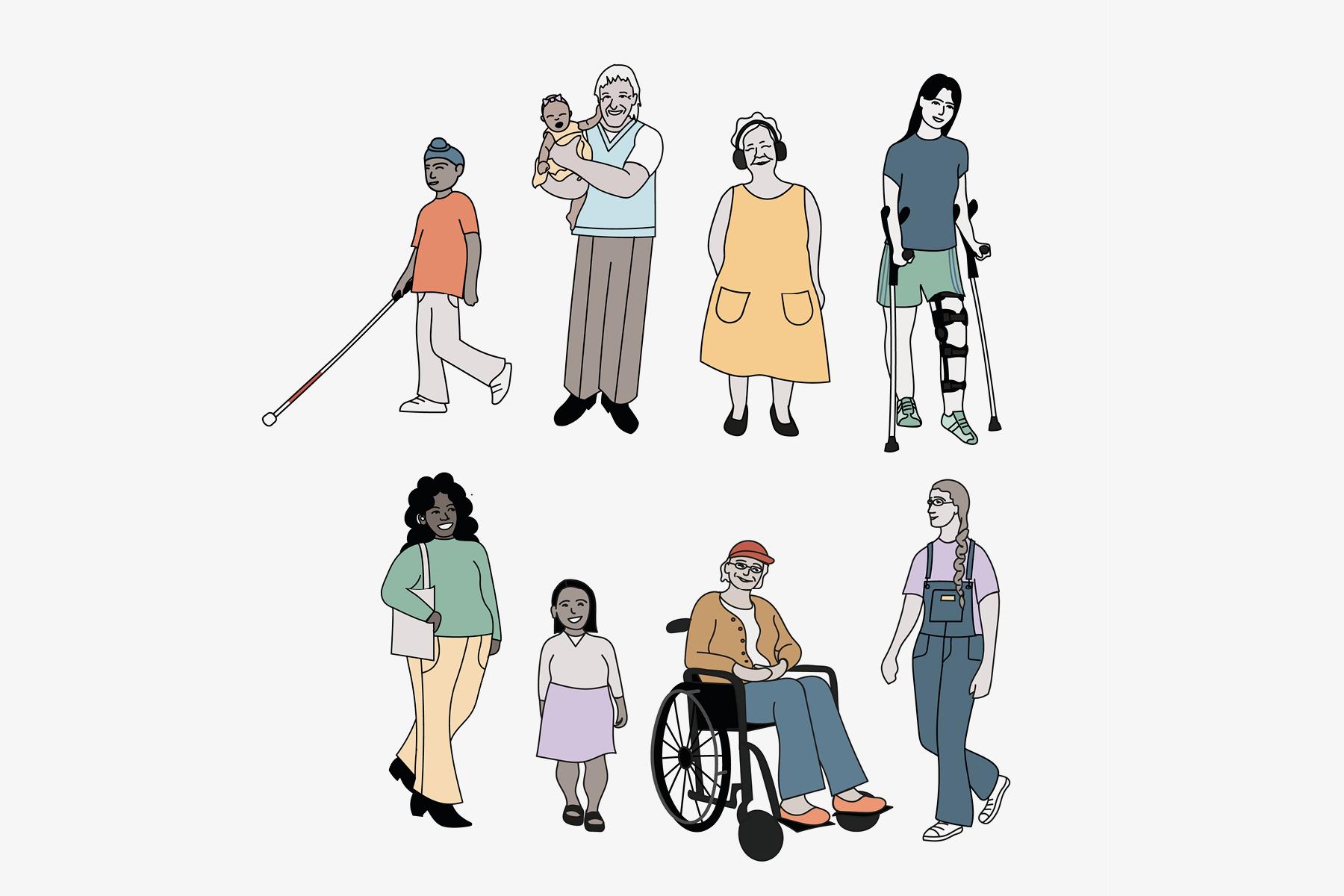
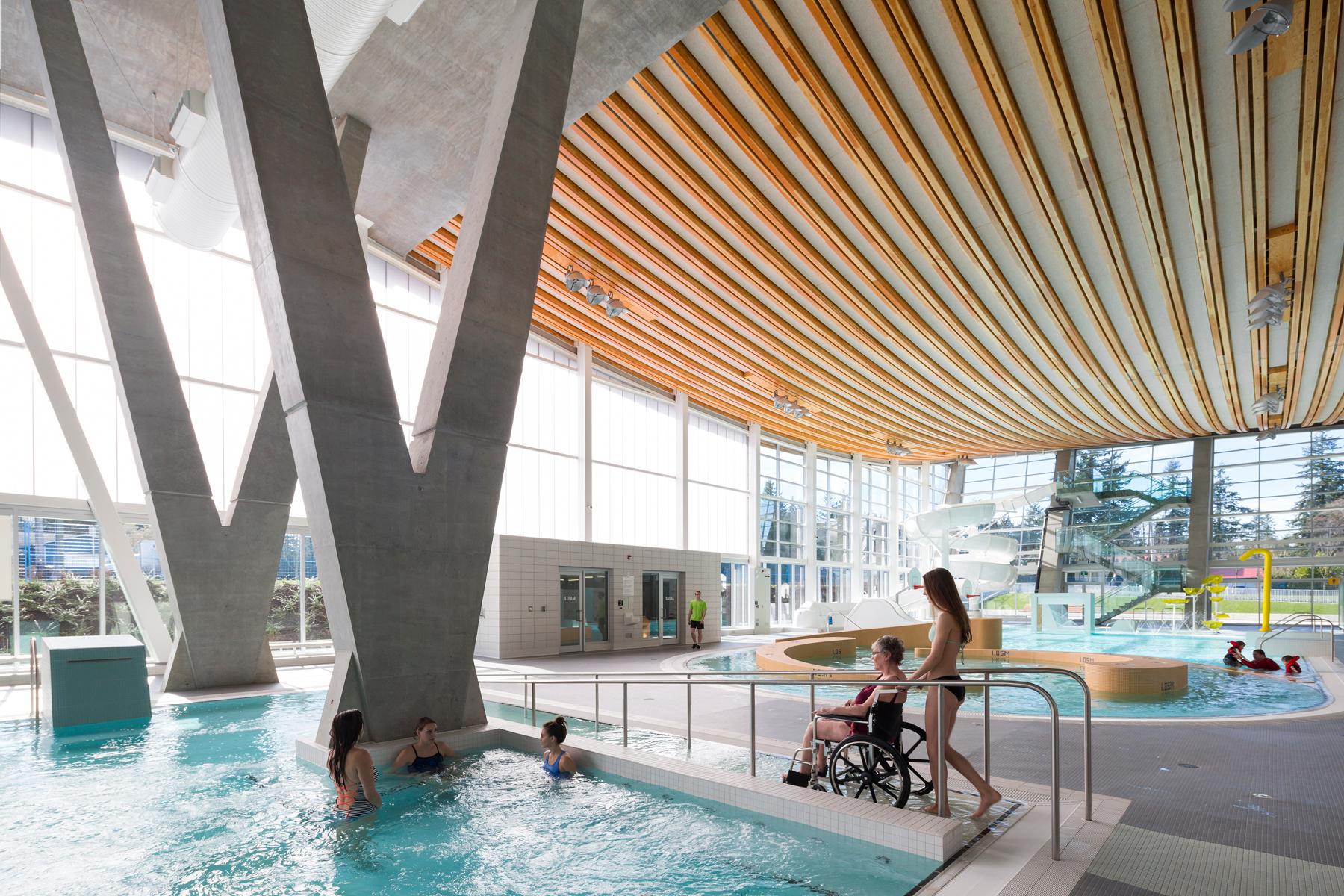
Aquatic facilities are among the most important pieces of civic infrastructure we build. They support public health, safety, learning, recreation, and belonging. But when barriers to access turn aquatic centres into exclusionary spaces, the impact extends far beyond the pool: it affects wellbeing, equity, social resilience, and who gets to feel at home in public life. For disabled and neurodivergent people, older adults, youth, caregivers, newcomers, and first-time users, exclusion can be built into the full experience – from planning a visit and arriving at the facility to getting changed, entering the water, participating, and returning home.
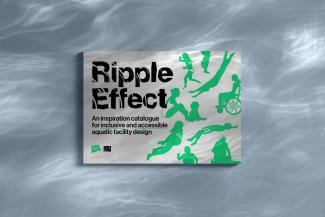
Ripple Effect: An inspiration catalogue for inclusive and accessible aquatic facility design is a practical design guide developed by hcma architecture + design with the Danish Foundation for Culture and Sports Facilities (Lokale og Anlægsfonden).