

Bild
sb Magazine
Scientific evidence and market adoption reinforce interest in cork-based infill solutions
Publishing date
As environmental considerations continue to shape the future of artificial turf systems, increasing attention is being given to the composition of infill materials and their potential interaction with surrounding ecosystems.
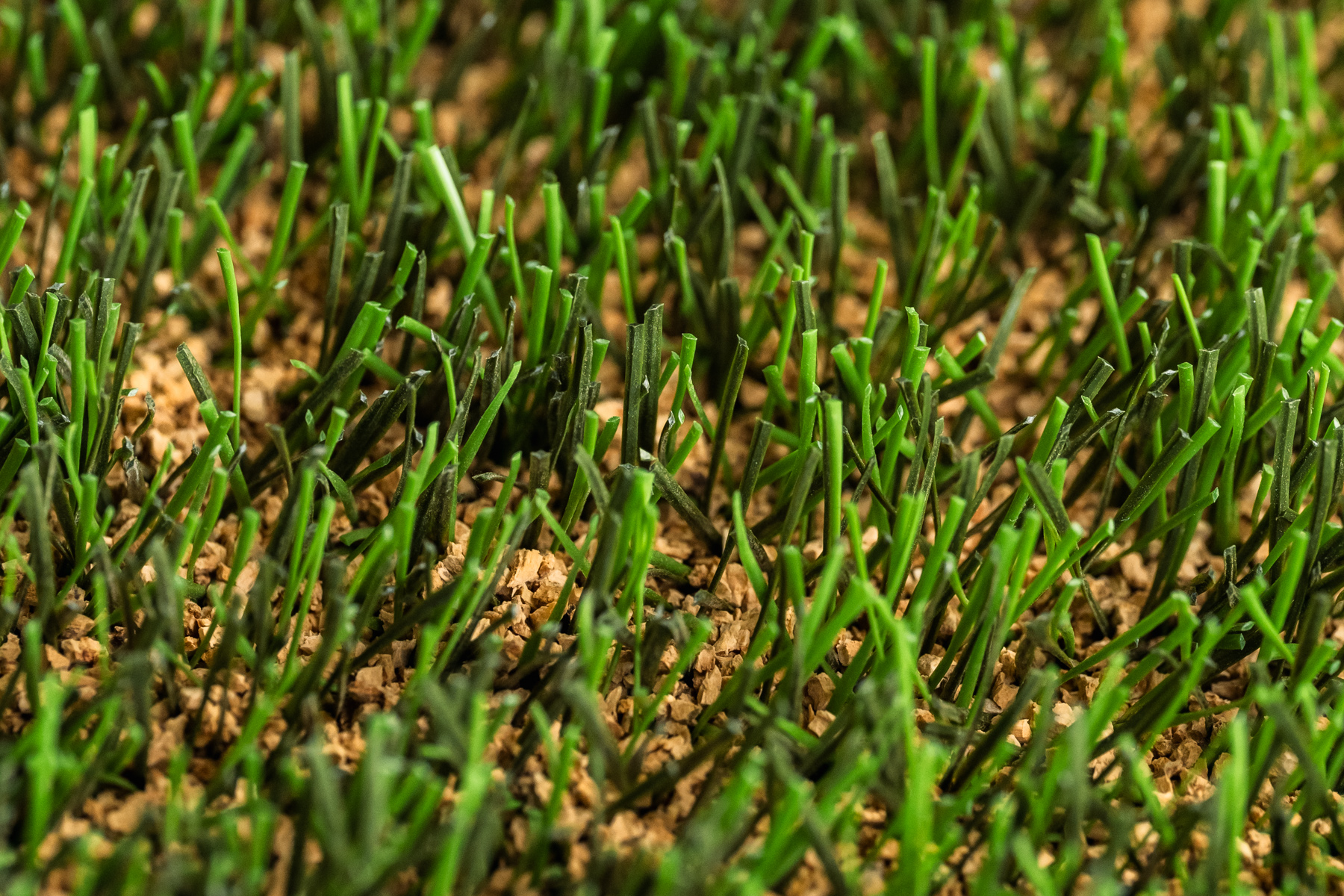
(c) Amorim
A study published in Science of the Total Environment evaluated 91 synthetic turf football fields across 17 countries and assessed the presence of hazardous compounds in different infill materials.
The research identified polycyclic aromatic hydrocarbons (PAHs), plasticizers and vulcanization additives in recycled tire crumb rubber samples collected worldwide.
The authors concluded that cork appears to be an adequate alternative and reported substantially lower levels of these compounds in cork-based infills compared with tire-derived rubber.
The study also highlighted broader concerns regarding the environmental profile of crumb rubber infills, noting that recycled tire rubber and plastic infills are considered microplastics and may contribute to the release of substances into the environment.
These findings align with a growing emphasis on water quality and watershed protection in sports infrastructure projects, particularly in environmentally sensitive regions.
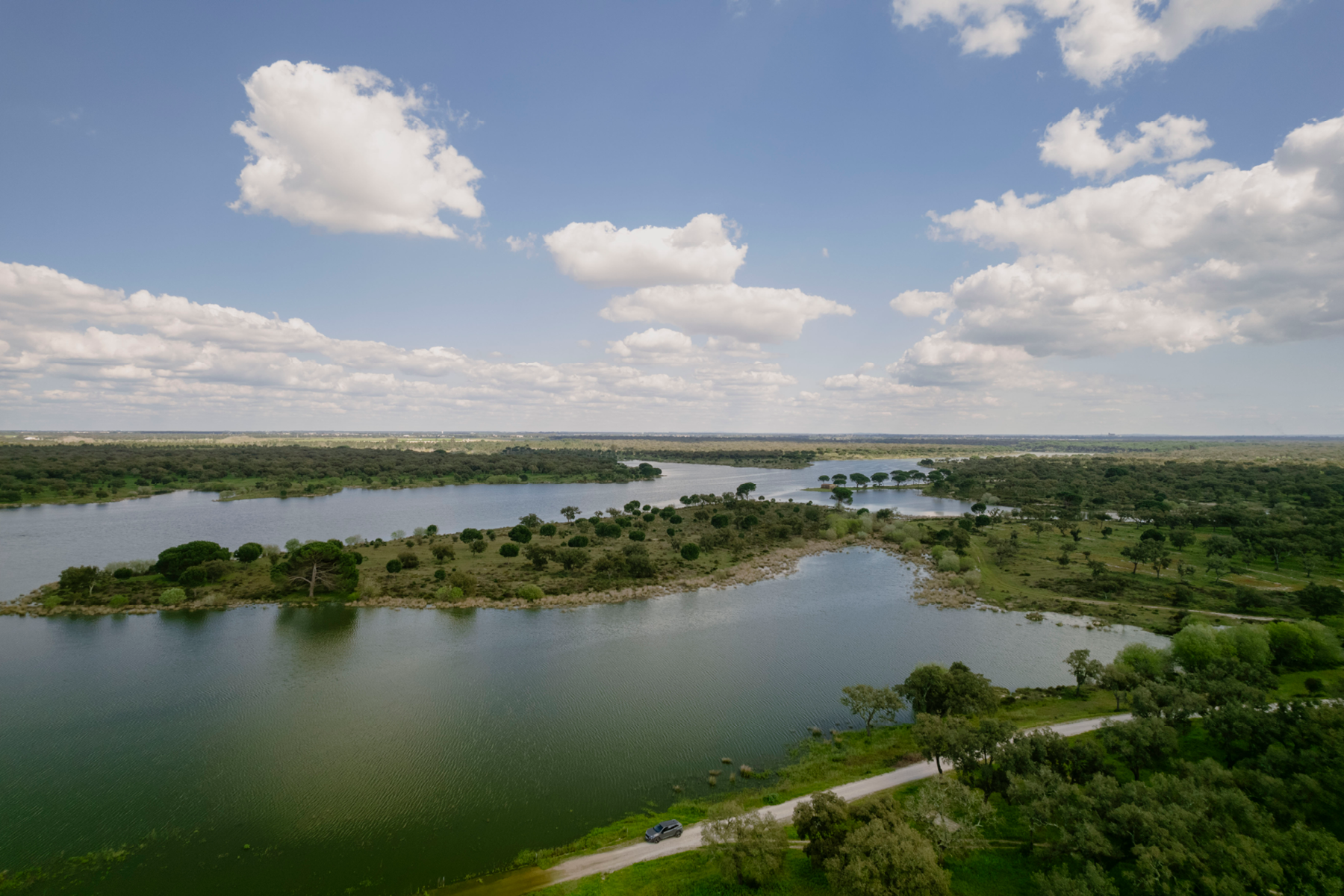
Seattle Sounders FC’s Salmon-Safe certified Providence Swedish Performance Center & Clubhouse incorporated cork-based infill as part of a wider strategy focused on responsible stormwater management and the protection of local aquatic ecosystems.
For Amorim Cork Solutions, through its sports surface components brand Amorim Sports, these developments reflect an ongoing evolution in how artificial turf systems are specified and evaluated.
Quote portraitBild
"Performance remains a fundamental requirement for any sports surface, but environmental considerations are increasingly becoming part of the decision-making process. The industry is paying closer attention to material composition, water quality considerations and the long-term environmental profile of sports infrastructure."
Robert Formolo, CEO Amorim Cork Solutions Inc
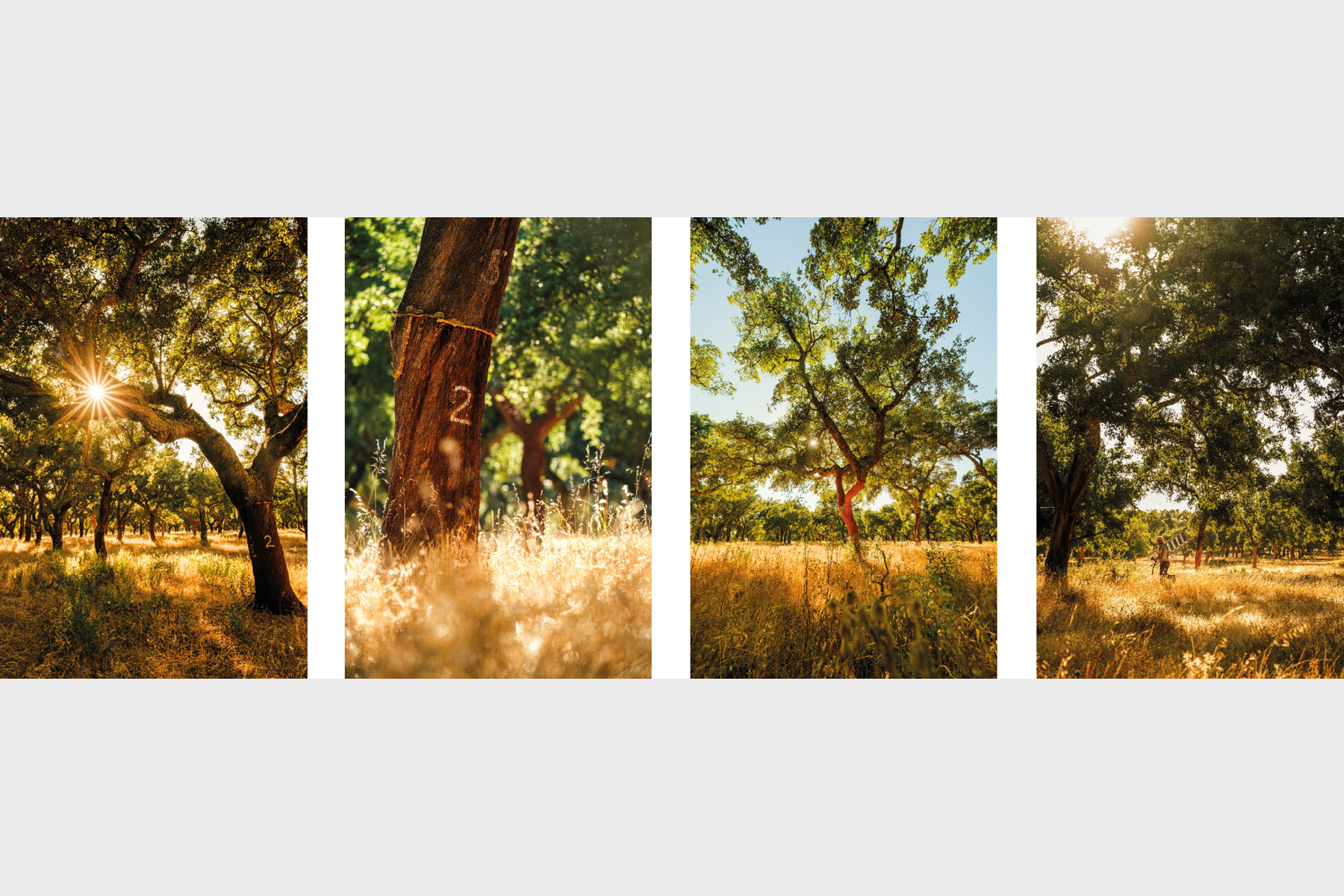
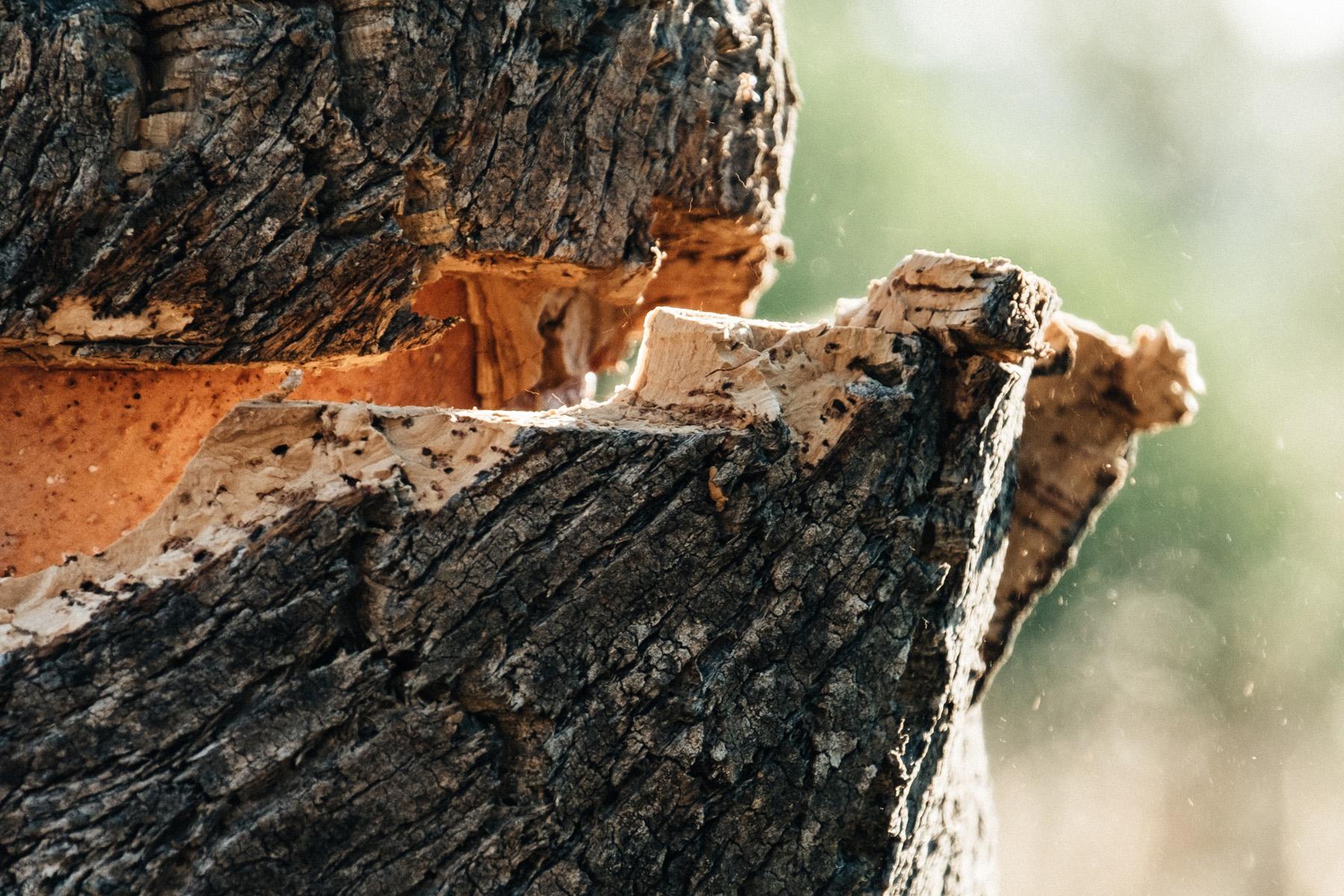
Amorim Sports develops cork-based solutions for artificial turf systems, including the Nature and Organic product ranges. Manufactured using cork, a renewable raw material, these solutions offer an alternative to tire-derived infills while contributing to player comfort and sports performance.
As environmental regulations continue to evolve and awareness of material impacts increases, facility owners, municipalities, universities and sports organizations are expected to place greater emphasis on infill selection as part of a comprehensive approach to sports facility design.
The scientific findings referenced in this release are based on:
Armada, D. et al. (2022). Global evaluation of the chemical hazard of recycled tire crumb rubber employed on worldwide synthetic turf football pitches. Science of the Total Environment, Volume 812, 152542.
Additional information regarding Seattle Sounders FC’s Salmon-Safe certification is available on the Seattle Sounders FC website.