Opening the door isn’t enough – Glasgow’s approach to inclusive sports facilities
© IAKS
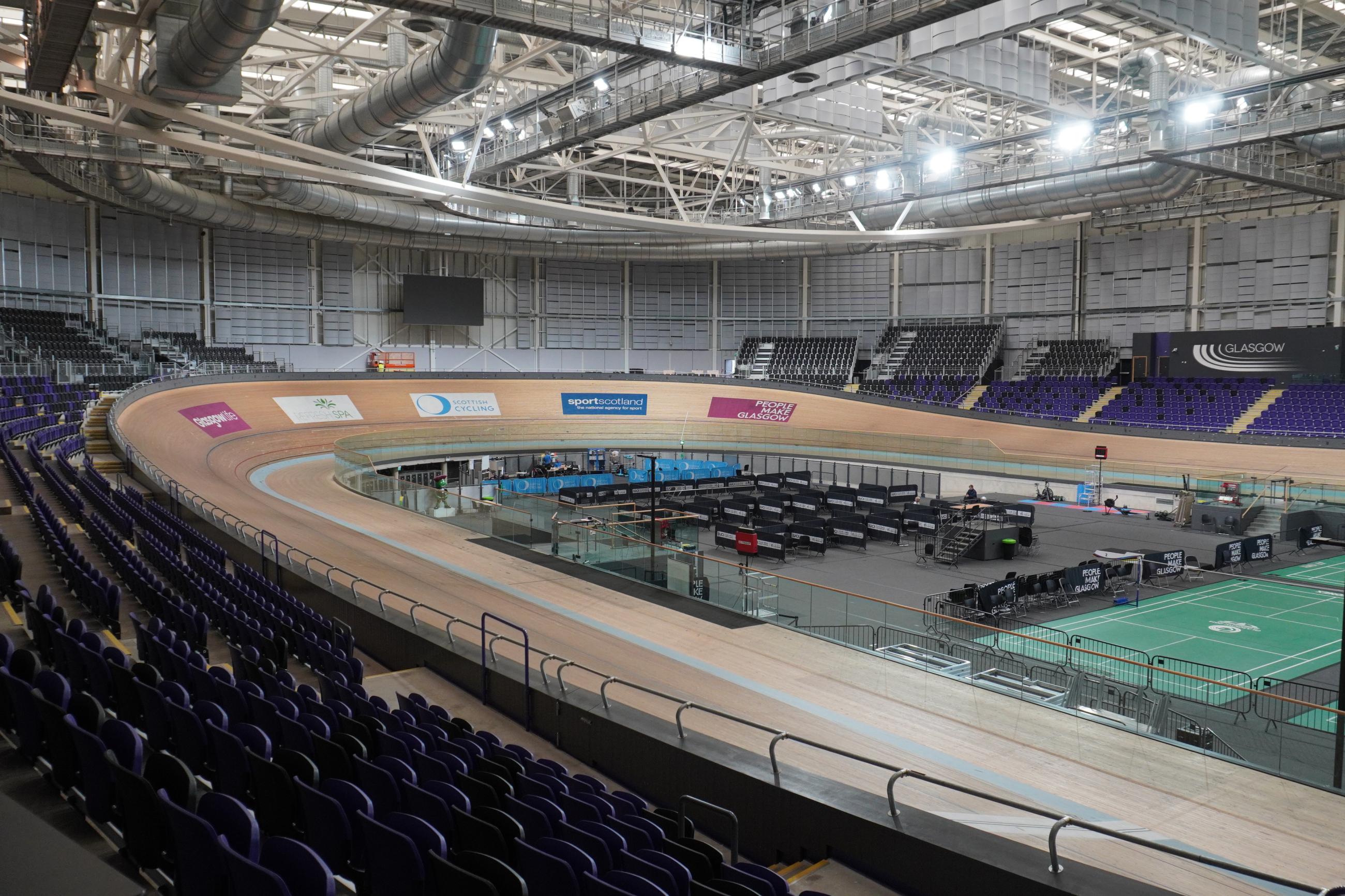
More than 80 operators, architects, engineers, event professionals, consultants and local authority representatives attended the one-day event. Glasgow Life’s George Hunter told delegates that the city’s sports facilities are, first and foremost, for everyday community use. Along with the stark fact that 26% of Glasgow’s children live in poverty, ‚there’s a poverty of experience,‘ he said, with part of the answer being ‚hooking people into the best facilities in Scotland.‘ But attracting people into landmark venues such as the Glasgow International Arena and the Sir Chris Hoy Velodrome - where the seminar was held - requires sustained effort.
Designing for a second life
© IAKS
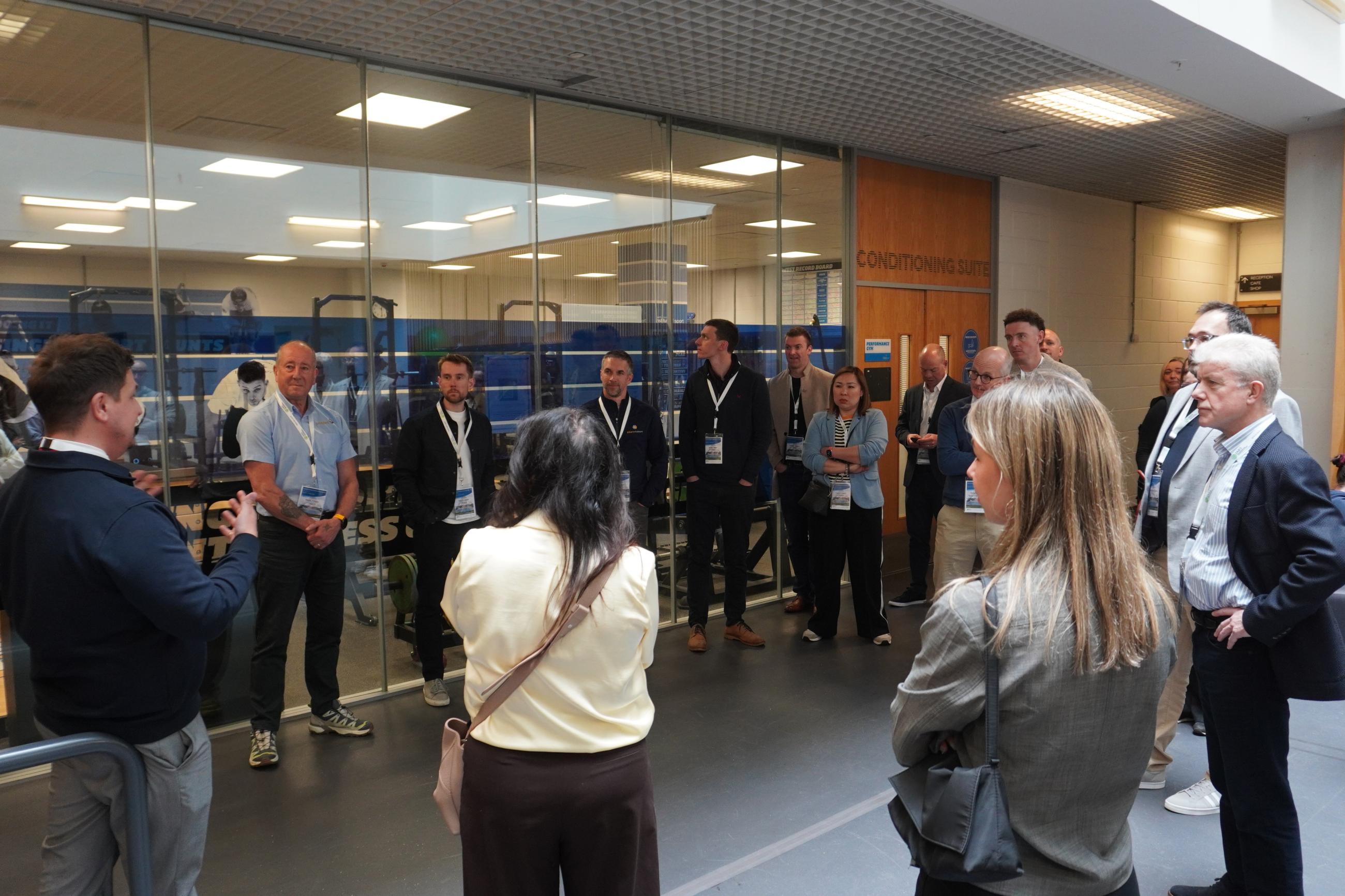
Kirsty Garrett of Glasgow Life outlined the detailed work behind that approach, including targeting less active people, running a training academy to help nearby communities access jobs at the centres, reaching out to under-represented groups and working closely with 400 clubs and organisations. ‚A venue like this can be daunting. Sometimes opening the door is just not enough,‘ she told the audience, as she set out Glasgow Life’s wider role in urban renewal, wellbeing, buildings and community infrastructure, alongside 60 Commonwealth Games legacy projects across 23 objectives.
© IAKS
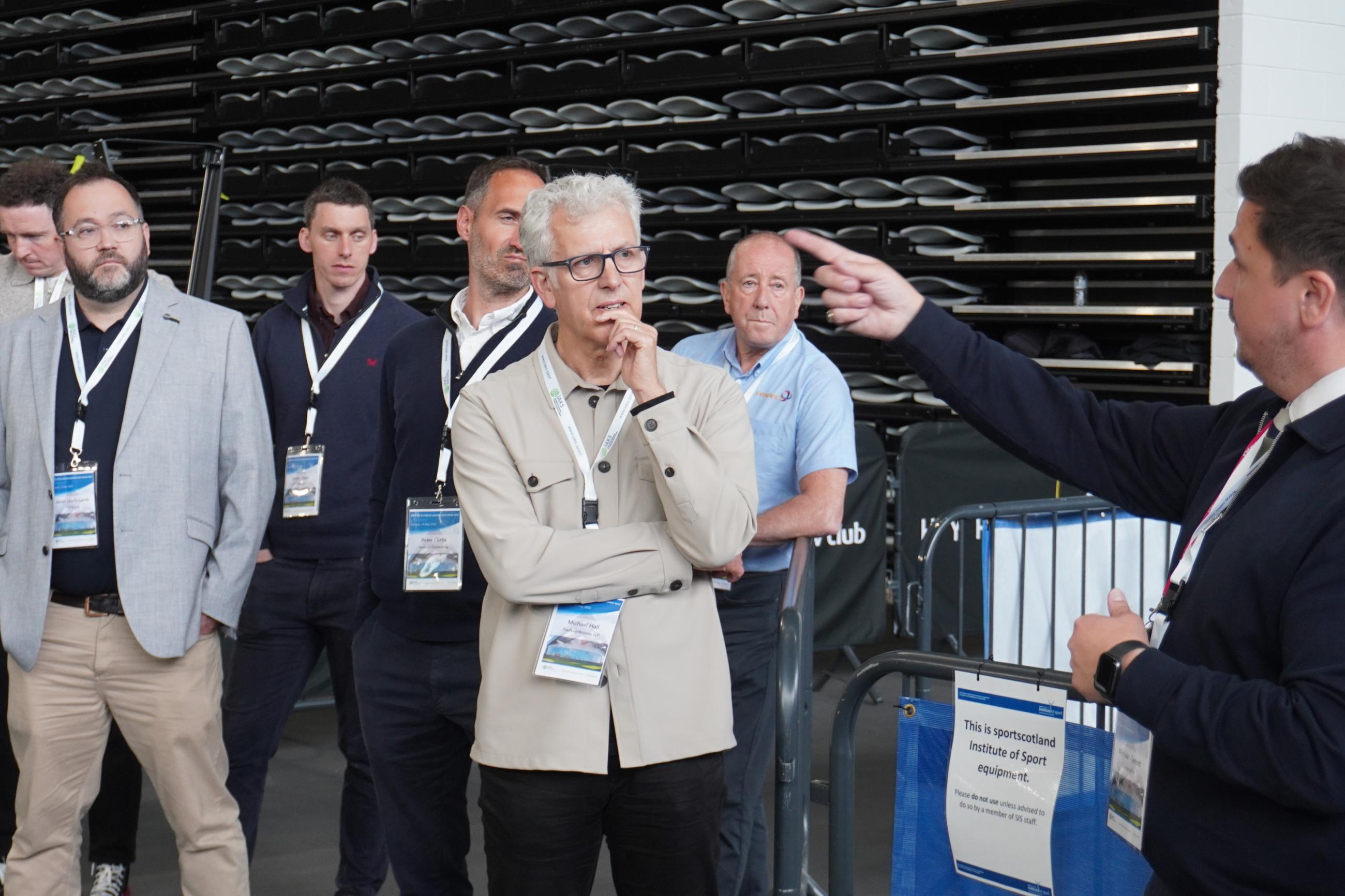
Jade Gallagher of Glasgow 2026 said Scotland has a strong record of sporting innovation, combining wider community benefits with elite events. This year’s Commonwealth Games will be smaller, with fewer sports and delivered in a ‚more sustainable, lower cost format built on partnership.‘ That model has been made possible by a well-maintained estate of venues that has continued to receive investment. She highlighted the delivery structure that embeds Trivandi within the organising company as event delivery partner, a move designed to increase speed and agility.
Trivandi’s Jess Gilbert said: ‚This is a different shaped model based on a different set of conditions, it requires us to think differently. It’s not the only way to do it, but it works for Glasgow.‘ She said that venue design was crucial in the delivery of the Games, ‚It’s really important to design for that second life, it enables you to host for a second, third, tenth time. That doesn’t happen by accident, it’s part of the brief from the beginning.‘
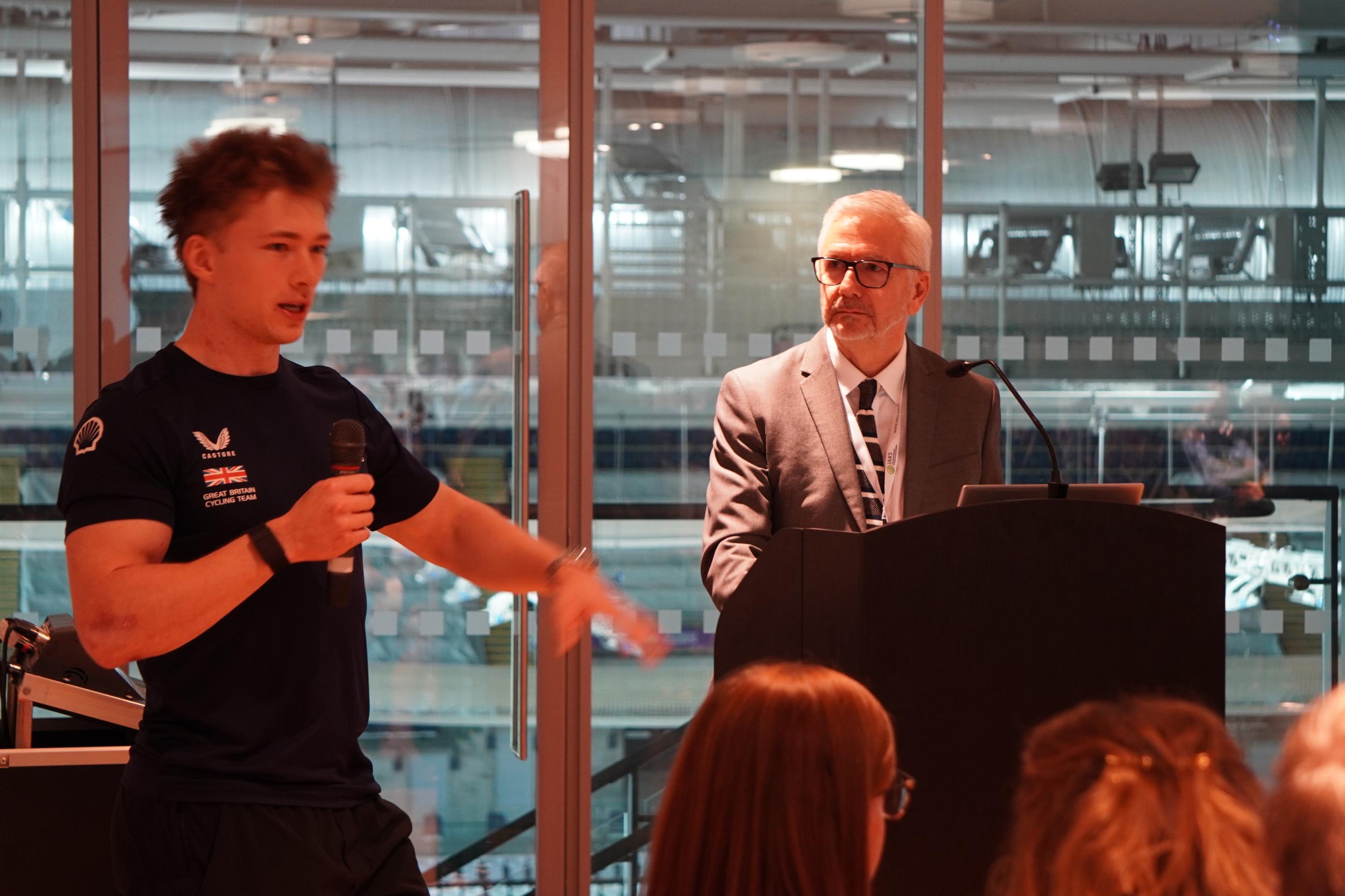
Lyall Craig (elite track sprint cyclist on the Great Britain Cycling Team) with Billy Garrett (Director of Culture, Tourism and Events, Glasgow Life) © IAKS
Michael Garrett, the Arena’s General Manager, said investment has been strategic rather than event-led and has deliberately avoided creating single-use centres. ‚We are community first and event ready,‘ he explained. ‚We prioritise community use of our venues, which can be flexed up but are designed primarily to deliver community benefits.‘
Track cyclist Lyall Craig was in the velodrome crowd at Glasgow 2014, discovered the sport only at university and now hopes to represent Scotland this summer. ‚That would be a full-circle moment for Scotland,‘ he told the audience in a conversation with Glasgow Life’s Director of Culture, Tourism and Events, Billy Garrett - one of the UK’s most influential leisure figures with more than three decades of service.
Industry leaders discussed security and lasting impact
John Thompson, from the 64-acre Scottish Events Campus (SEC), which will host many Commonwealth Games events this summer, outlined the multifaceted delivery model across its three venues.
Responsibilities under the forthcoming Martyn’s Law were explained by Populous’ Soaad Stott, who highlighted that security must be considered and have a seat at the table at every stage of design and throughout the visitor experience.
Peter Harber, from The Sports Consultancy, said those evaluating social and economic impacts of events need to keep pushing for better methods, and that evaluations are more effective when they begin well ahead of an event.
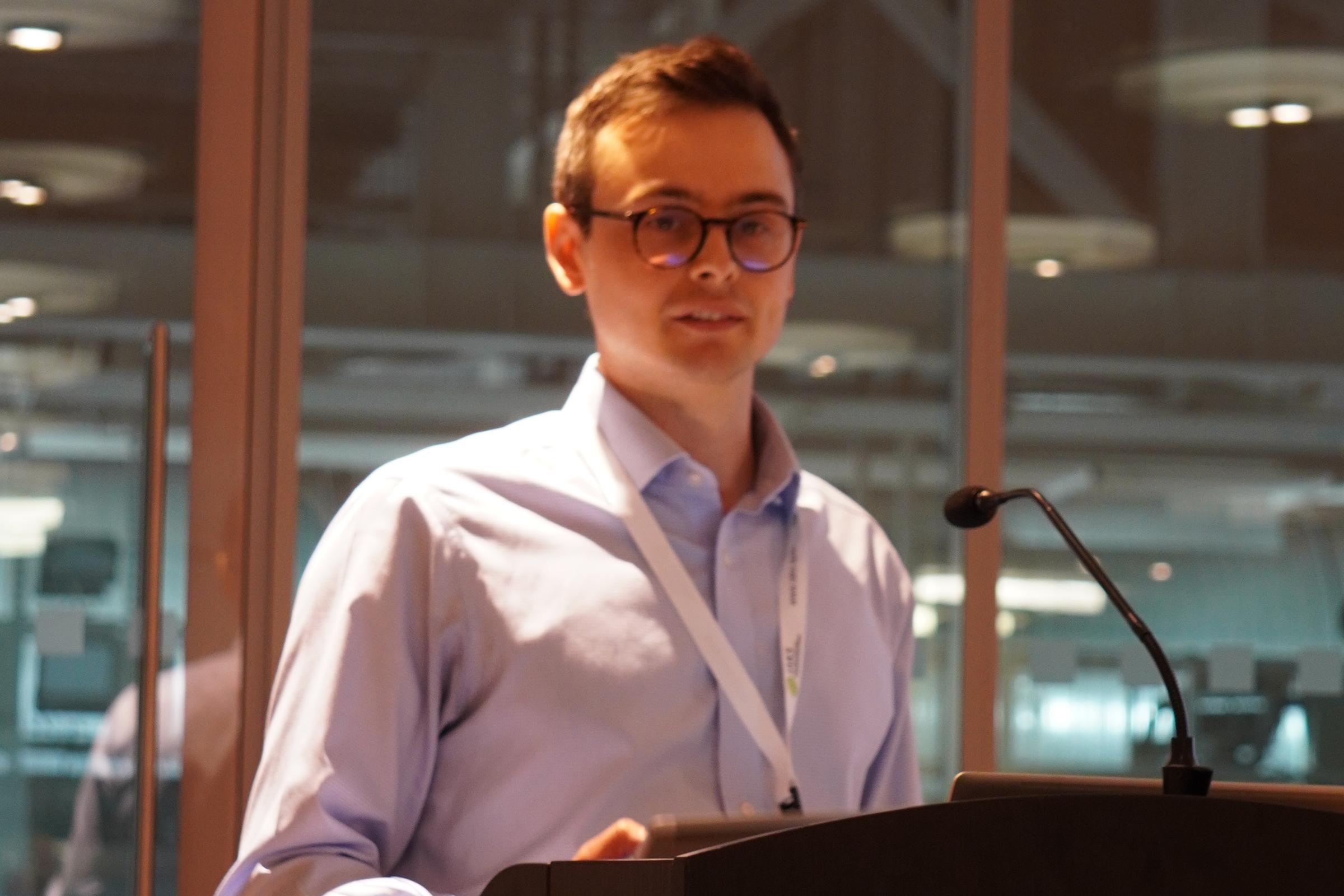
Peter Harber (Manager, The Sports Consultancy) © IAKS
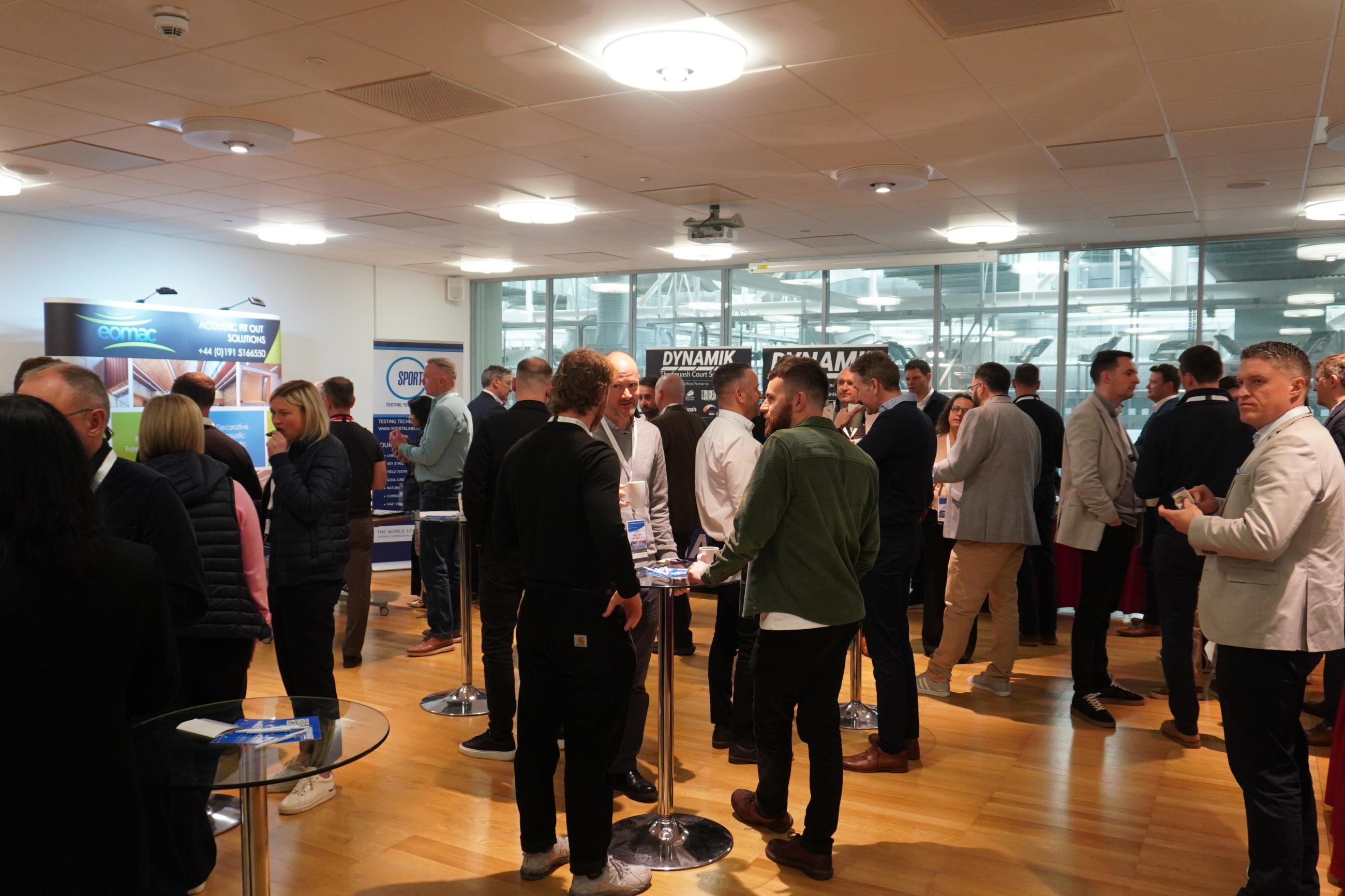
Networking proved hugely popular with conversations lasting well into the night
The event closed with a panel discussion on developing facilities in Scotland. Jonny Curley of Alliance Leisure, Ian Cooney of Holmes Miller and Graham Finnie of sportscotland focused on the country’s ageing facilities, the cost of maintaining and improving them, a challenging financial landscape, the inclusiveness of existing venues and operating models.
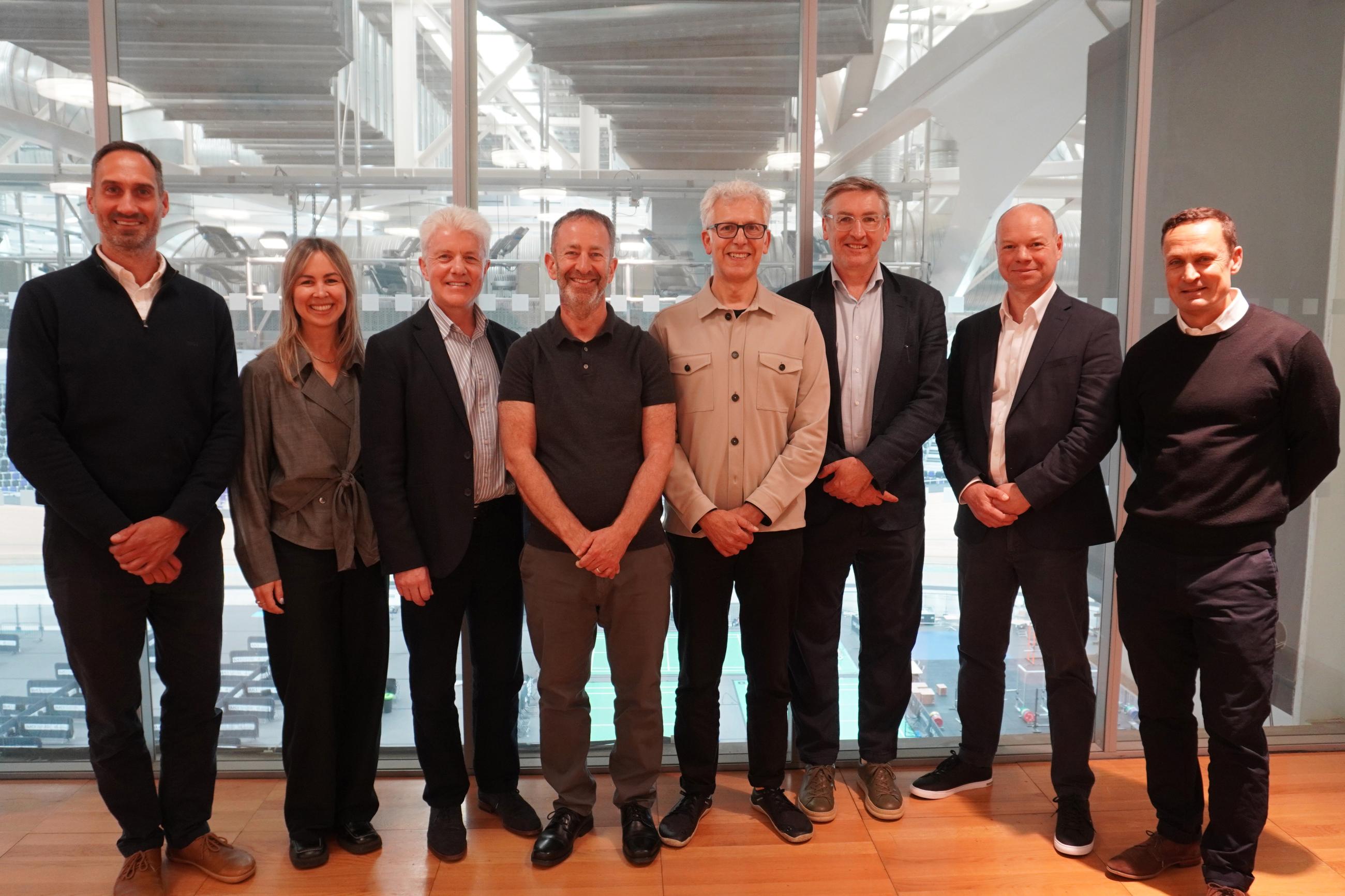
The seminar was chaired by Shaun Dawson, Chief Executive of the Lee Valley Regional Park Authority and chair of the IAKS UK & Ireland working group. He thanked Glasgow Life for hosting, all the speakers, Tom Pinnington of The Sports Consultancy and Jonny Curley of Alliance Leisure for bringing the event together. He also gave special thanks to the event partners: Alliance Leisure, Bellrock, Dynamik, Eomac, Holmes Miller, Prospec, Sports Labs, The Sports Consultancy and Wallace Whittle.
Next stop for IAKS UK & Ireland is Manchester on 22-23 September. Details at: IAKS UK & Ireland Conference: Sports-led regeneration
© IAKS
Thank you to our event partners: