Bild
Network
Shaping social spaces
Publishing date
Advert by IAKS member Myrtha Pools
When we think of swimming pools, images of elite athletes or water parks often come to mind. But a new wave of projects is reframing aquatic spaces as social engines: inclusive, resilient, and community centered.
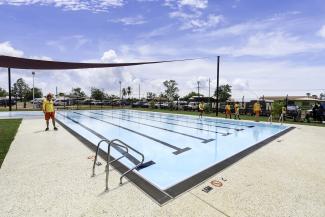
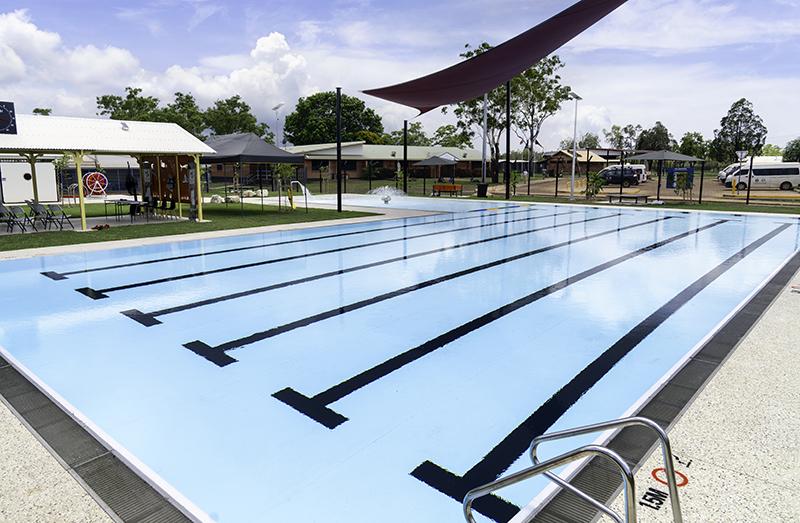
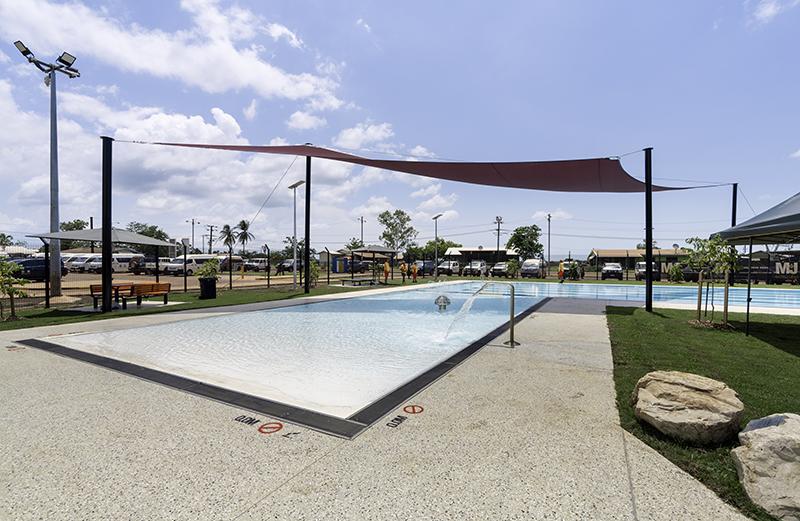
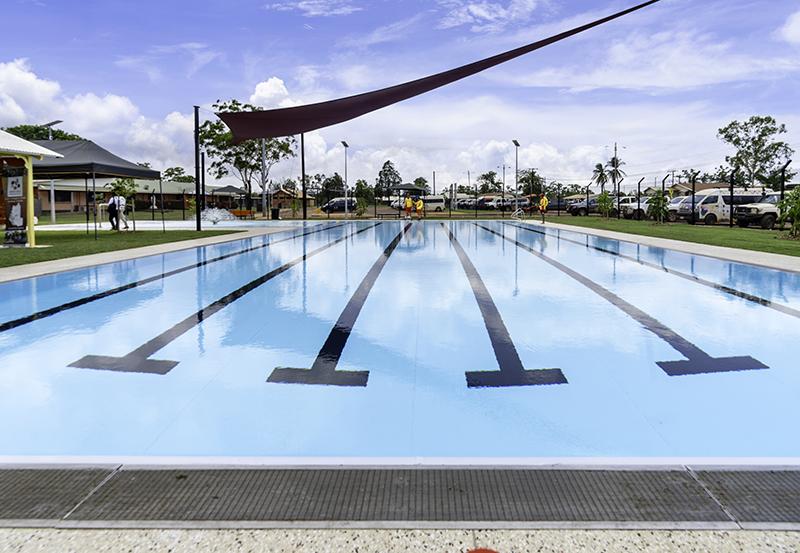
Take the example of remote communities in Australia. For the Wadeye Swimming Pool easy transportation, quick installation, and low maintenance were crucial. A pool here means more than recreation, it represents well-being, health, and safety. According to the non-profit Royal Life Saving Society Australia, swim instruction in this community is vital, as it greatly reduces the risk of drowning in rivers.
©Myrtha Pools
©Myrtha Pools
Legacy and accessibility
And who could forget the temporary pools installed for Tokyo 2020? After being dismantled and reconfigured, they were relocated to serve seven schools in Japan – thanks to anti-seismic qualities – and one aquatic facility in South Africa. These projects illustrate a powerful point: pools can be designed not only for performance, but also for legacy and accessibility.
For architects, this opens the door to designing facilities that double as community hubs. Accessibility features, flexible layouts, and integration with public spaces all become part of the architectural vision. For engineers, the challenge is to ensure these facilities remain cost-efficient, durable, and sustainable, thriving long after an event ends.
Health and rehabilitation
In many cities, aquatic facilities are also taking on roles in health and rehabilitation. The Cr2 Sinapsi project in Cremona (Italy) is one of a kind: a centre designed for neurological patients, para-athletes, and people recovering from injuries. Thanks to Myrtha’s solutions, pools here have become essential infrastructure. Para-athletes can improve their technique and train at competition level thanks to Myrtha Flow, a revolutionary counter-current swimming system integrated into a self-supporting pool structure. While the centre’s main pool is a large therapy pool divided into dedicated areas, ranging from cold/warm walkways for hydro-kinesis exercises to a neurological treatment zone.
For young designers, the lesson is clear and inspiring: pools are not just sports venues, but public spaces with deep social impact. They can foster identity, inclusion, and healthier cities. By envisioning pools as cultural and social anchors, architects and engineers have the chance to create projects that go beyond water, and ripple into the heart of communities.
©Myrtha Pools