Network
Designing sustainable and inclusive playgrounds with natural timber
Publishing date
Advert by Proludic
Local authorities, landscape architects and operators of public open spaces are placing increasing emphasis on durable materials, resource-efficient concepts and play facilities that are accessible to as many children as possible, regardless of their individual abilities.
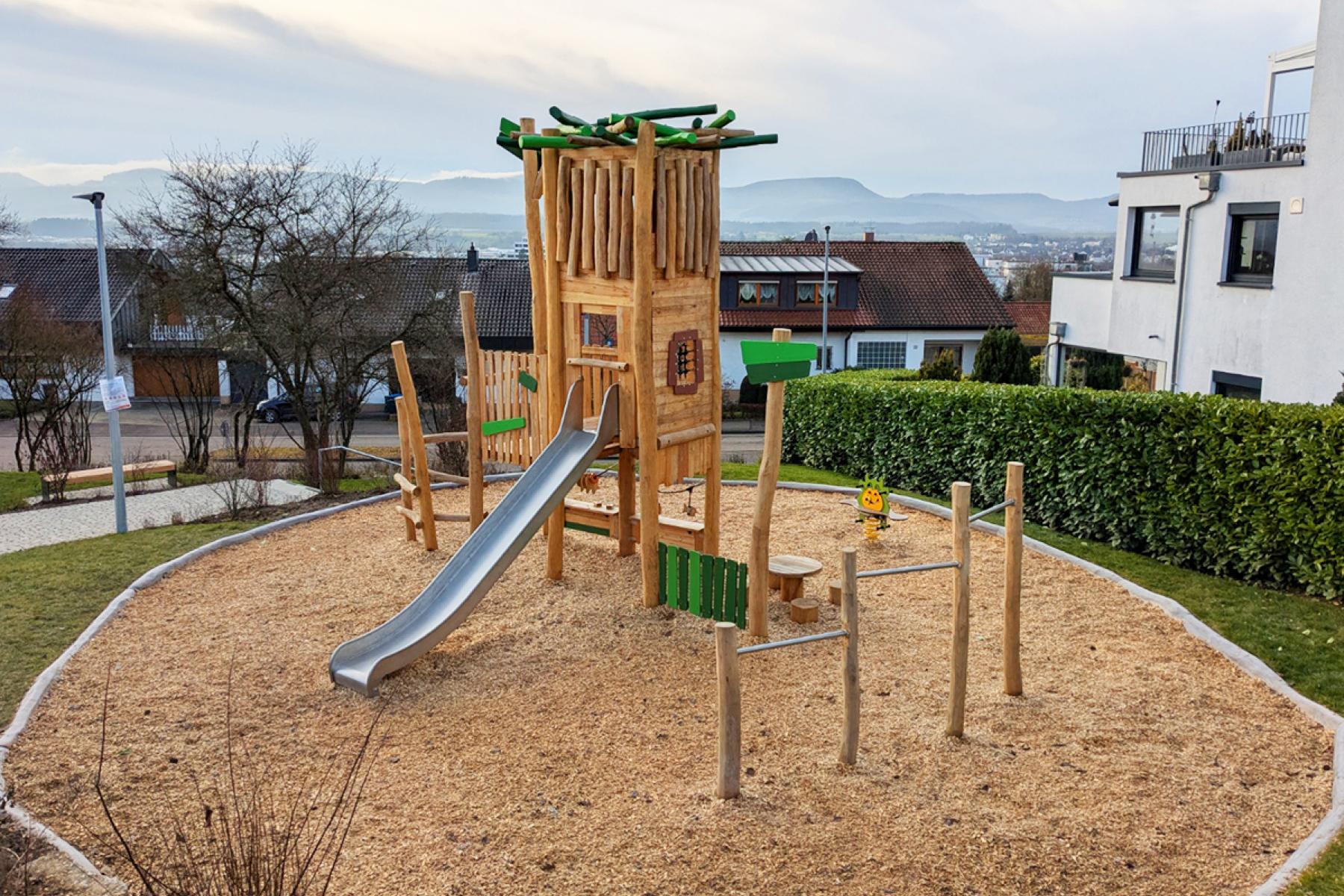
With its sustainable natural timber range, Proludic relies on high-quality robinia and Douglas fir timber sourced from PEFC-certified forestry. These natural materials impress with their high durability, long service life and harmonious integration into the landscape. At the same time, this natural timber play equipment creates a warm, nature-inspired atmosphere that invites children to explore, climb and engage in creative play.
A prime example of sustainable and, at the same time, inclusive product development is Proludic’s J49411® Nest House. The play structure is made from 99.91 per cent recyclable materials and has been designed so that individual components can be repaired or replaced as required. This conserves resources, reduces waste and significantly extends the play structure’s lifespan – an important contribution to a sustainable circular economy.
Sustainable playgrounds not only promote environmental and climate protection, but also social inclusion.
Nature-inspired, inclusive play environments create meeting places where children with different abilities can play together, learn and develop their motor and social skills. The Nesthaus, for example, can accommodate 26 users at once and, thanks to a design featuring over 20 individually tailored play elements and interactive details – including spaces for movement – breaks down barriers and places the focus on shared experiences.
In this way, modern natural timber playgrounds combine environmental responsibility, high-quality materials and inclusive play value to create durable open spaces that deliver lasting benefits for children, families, local communities, and the environment.
© Proludic