

Header image
Bild
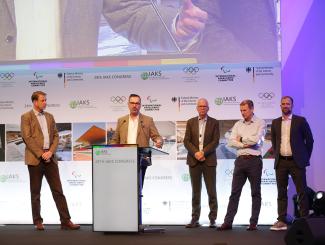
Moderator: Harald Fux, CEO Raum + Architectural Studio, Austria
These presentations explore the evolving role of indoor sports and recreation facilities as vibrant community hubs. From reimagining traditional sports halls aiming to meet modern participation patterns, to designing flexible, multi-use environments that attract diverse user groups, the talks highlight how thoughtful spatial planning can transform single-purpose venues into dynamic civic spaces. By examining trends in North American recreation centers, the presentations offer insights into co-location, adaptability, and layered programming, showing how indoor facilities can strengthen social connections, broaden access, and remain sustainable and relevant in the communities they serve.
Quote portraitBild
Master of Sports Science and Master of Strategic Urban Planning, Development Consultant at the Danish Foundation for Culture and Sports Facilities, Oliver Vanges is a seasoned expert in the development of innovative, high-quality sports facilities in collaboration with local authorities and project owners. The Danish Foundation for Culture and Sports Facilities is an independent governmental organization developing and funding facility projects in Denmark and exchanges knowledge within the leisure facility sector internationally.
Oliver Vanges Development Specialist, The Danish Foundation for Culture and Sports Facilities, Denmark
Quote portraitBild
Irina is a key member of FaulknerBrowns Architects’ renowned sports team and is experienced in leading the design and delivery of high-profile leisure and education projects. She is particularly interested in reducing the energy consumption of sports facilities and challenging traditional operational models, to drive innovation in the sector. Irina also participates in the IAKS expert circle and is a keen advocate for promoting healthy lifestyles and stronger communities.
Irina Korneychuk Associate Partner, FaulknerBrowns, United Kingdom
Quote portraitBild
A former competitive swimmer and coach, Colleen’s competitive drive echoes in her design work and leadership. As the Sports, Recreation and Wellness Practice Leader at CannonDesign, Colleen helps colleges and universities create the most incredible, inclusive, high-performing collegiate recreation and athletic facilities where students can flourish. Truly at the forefront of sports design, Colleen possesses an almost unrivaled level of design and planning expertise.
Colleen McKenna Principal, CannonDesign, USA
Creating a framework for movement
Oliver Vanges, Development Specialist, The Danish Foundation for Culture and Sports Facilities, Denmark
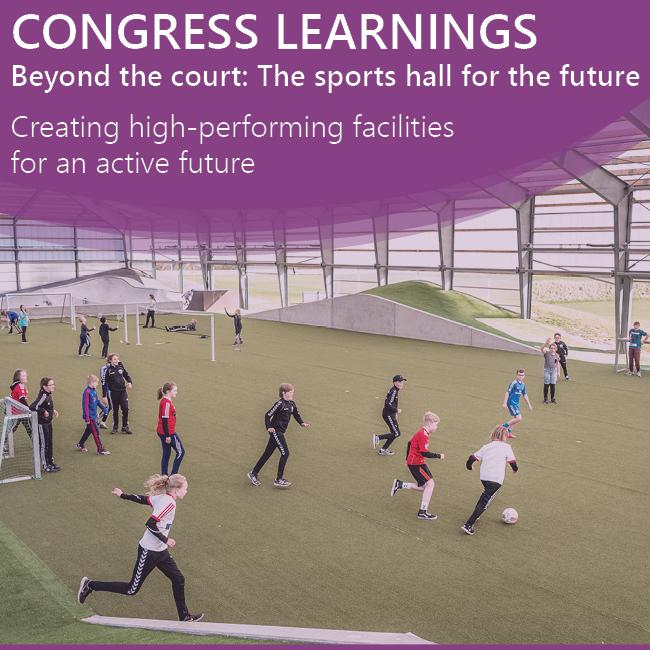
What is the sports hall for the future? The answer should (for sentimental and sustainability reasons) include the sports halls we have today, that were built for a radically different participa¬tion pattern. How can we bring these all-important local meeting places into the present and the future and even strengthen their meeting place qualities and widen the scope of activities and user groups? Are sports facilities only for dedicated sports practitioners or should we take more inspiration from the North American community centres to include a much wider spectrum of active (local) facility users? How can we revitalize sports hall?
One hall, many voices: Unlocking the value of sport
Irina Korneychuk, Associate Partner, FaulknerBrowns, United Kingdom
Irina explores how thoughtful spatial design can unlock the latent potential of specialised sports facilities—transforming them from single-purpose shells into dynamic, socially-charged envi¬ronments. By considering complimentary co-location and integrating opportunities for flexibility and adaptability into the architectural solutions, these spaces can attract diverse user groups, create vibrant environments, and secure long-term viability through layered programming and diversified revenue—reimagining the sports hall as a civic stage.
Trends for indoor recreation centres in Northern America
Colleen McKenna, Principal, CannonDesign, USA
Indoor recreation facilities in the U.S., whether on campuses or in cities, are hubs for wellness, community, and innovation. The most successful centers emerge from partnerships among universities, municipalities, nonprofits, and private organizations, combining funding and expertise for sustainable impact. Shared facilities maximize resources, reduce duplication, generaterevenue, and foster inclusivity—though challenges like territory and operations remain. By working together, cities and universities can achieve greater outcomes. This presentation highlights real-world case studies of both successes and obstacles in shared recreational investments.