

Event
Content
Image
Bild
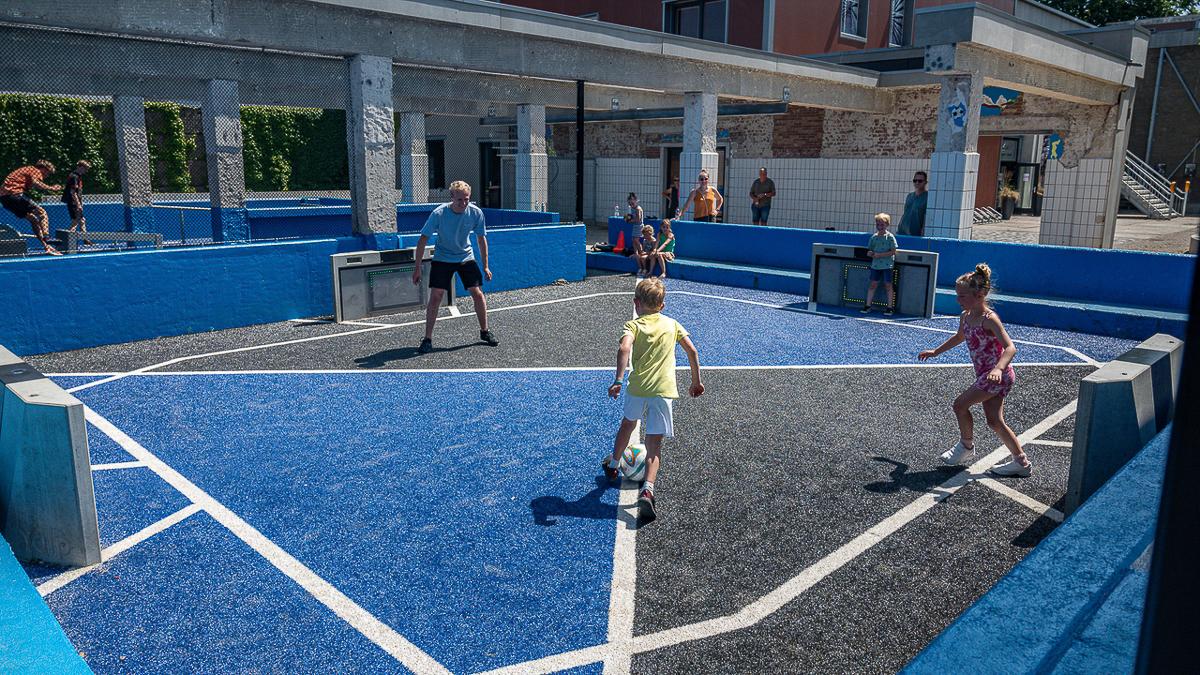
(c) Lappset
Text
Schoolyards as active spaces beyond school hours
Across Canada, communities are looking for cost-effective ways to increase physical activity, strengthen belonging, and get more value from existing public assets. Schoolyards are one of the most powerful and underused opportunities. How can schoolyards become powerful drivers of physical activity, social inclusion, and community life - both during and after school hours?
Lisa Mari Watson from Norway will explore how thoughtful design, clear policies, and strong user involvement can transform schoolyards from grey asphalt surfaces into vibrant, multi-use community spaces. Drawing on research, national data, and practical examples from Norway, the session highlights how upgraded schoolyards increase physical activity, improve safety, strengthen social belonging, and support both mental and physical health.
The webinar will be held in English language on Zoom and is free of charge.
Text
Why Canadian professionals should attend
- Learn how Norway is tackling declining physical activity and underused public space – challenges shared by many Canadian communities
- Discover how schoolyards can become multi-use community assets beyond school hours, maximising value from existing infrastructure
- Gain practical, transferable design and planning strategies that can be applied to Canadian projects and partnerships
- See real examples of how municipalities and schools collaborate to deliver active, inclusive outdoor environments
- Understand how schoolyard upgrades can support health, safety, social belonging, and community wellbeing
- Bring global best practice into local decision-making, strengthening your case for investment and project delivery
Through case studies such as Hvalstad Activity Park, Stavanger’s large-scale schoolyard upgrades, and the youth-designed Skakkeringen in Etne, the presentation demonstrates how nature, diverse play zones, accessibility, and community integration are key design principles for success.
The session also addresses minimum space standards, policy frameworks, and the shared responsibility of municipalities and national authorities in safeguarding children’s right to high-quality outdoor environments.
The key message is clear: Investing in schoolyards is one of the most cost-effective and sustainable ways to promote healthier, happier, and more active children - while creating lasting value for entire communities.
Text
Meet Lisa Mari Watson
Image
Bild

Text
Lisa Mari Watson is Managing Director of Tverga – the Norwegian resource center for self-organized sports and physical activity.
With more than 15 years of experience in the sports sector, she works at the intersection of urban planning, public policy, and physical activity, advising municipalities and national authorities on how physical environments can drive movement, inclusion, and community life. She is a frequent speaker on the future of activity spaces and spontaneous sport. Lisa holds a Bachelor of Arts from the University of British Columbia, Vancouver, where she majored in psychology and sociology.
Text
About Tverga
Tverga is the Norwegian resource center for self-organized sports and physical activity. They were established through funding from the Norwegian Ministry of Culture in 2018, as a non-profit organization, headquartered in Oslo. Tverga´s role is to strengthen national and local governments' work in building sustainable recreational sport facilities for self-organized sports and physical activity. Their vision is 'more active, more fun' and their work lies in the very crossover between public health politics and sports politics. For more information read this article from IAKS Nordic.
22.06.2026, 08:30 – 09:30 (PDT, UTC-07:00)
Event language:
Event language
English
Organizer:
IAKS Canada
Online